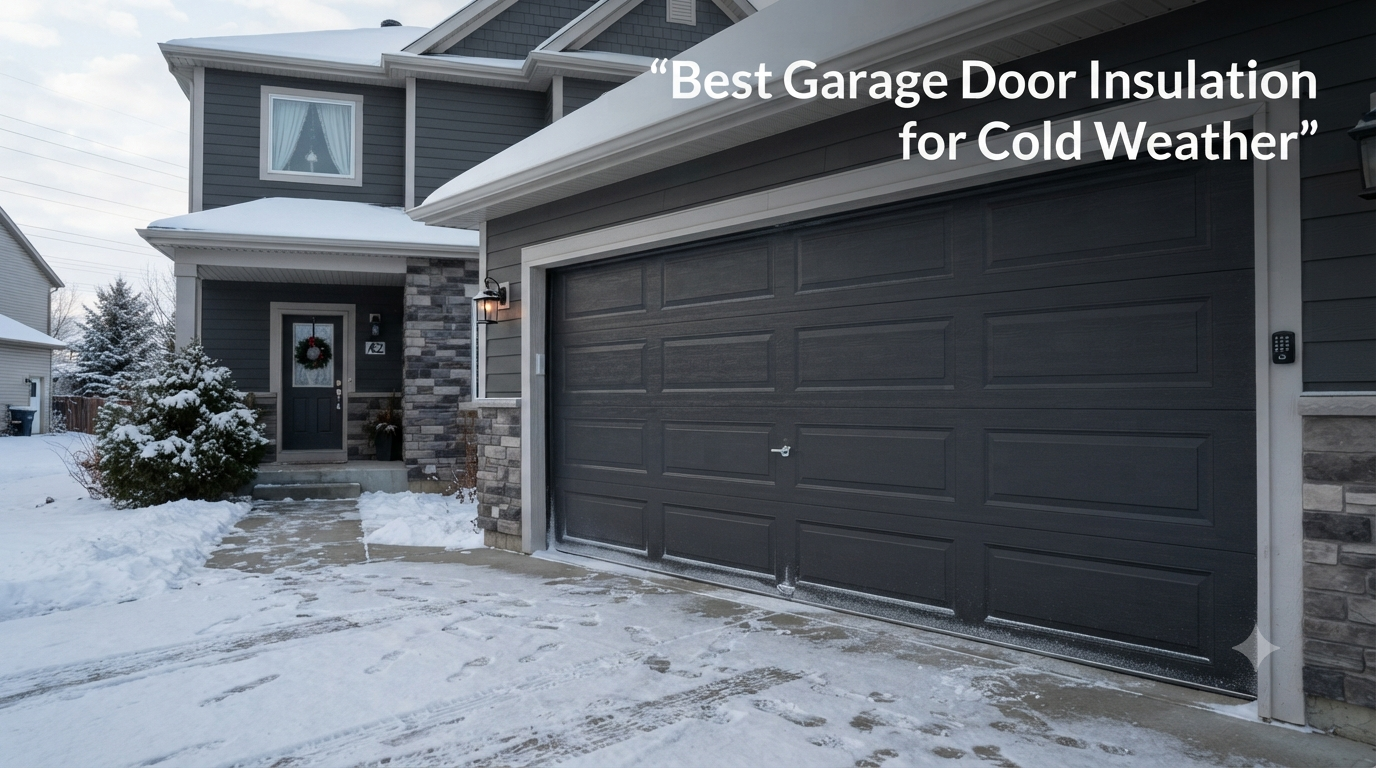
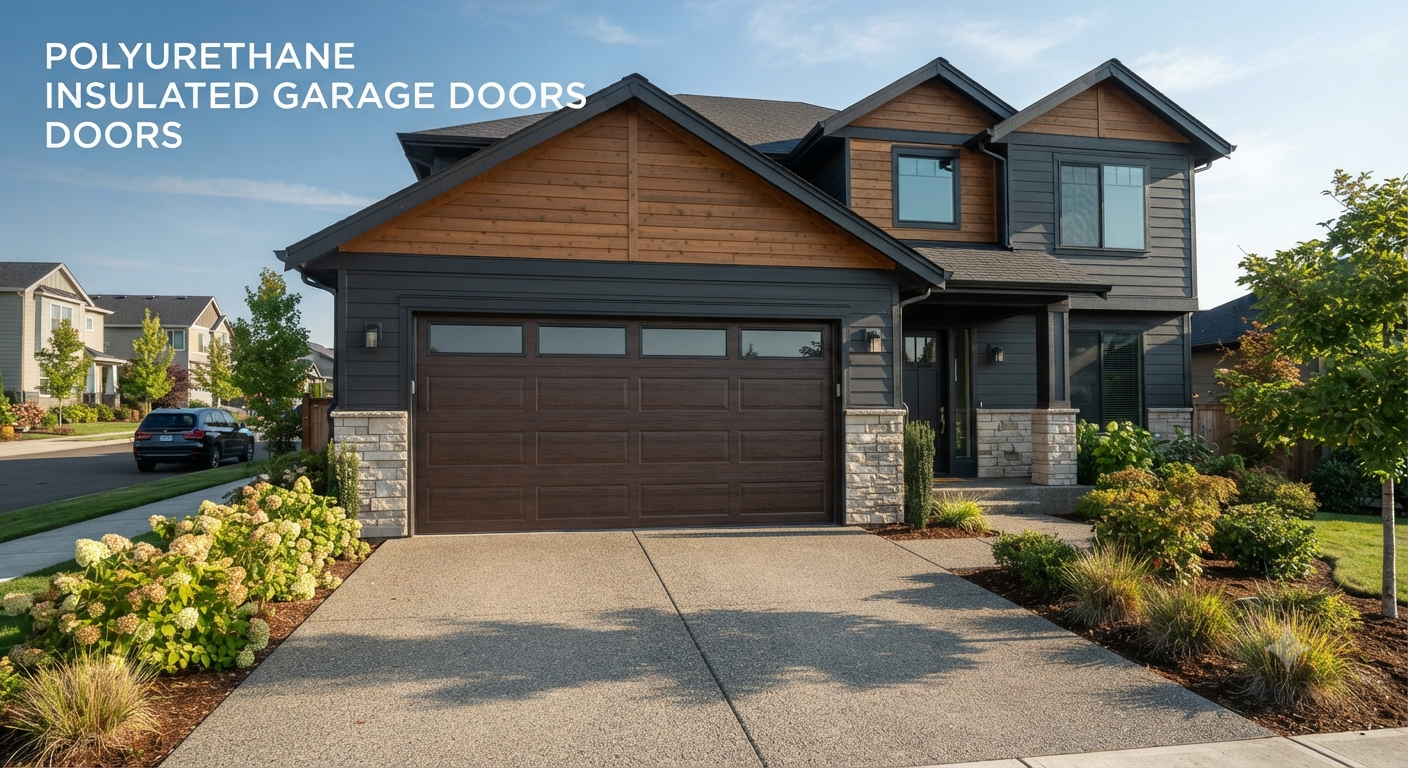
If you’re looking for a garage door that keeps your space more comfortable, quieter, and easier to heat or cool, polyurethane insulated garage doors are one of the best options. They use high-density foam that fills the inside of the door, creating a strong barrier against heat, cold, and outside noise. While they usually cost more than basic insulated doors, many homeowners feel the better energy efficiency, added strength, and long-term performance make them a smart investment.
What Are Polyurethane Insulated Garage Doors?
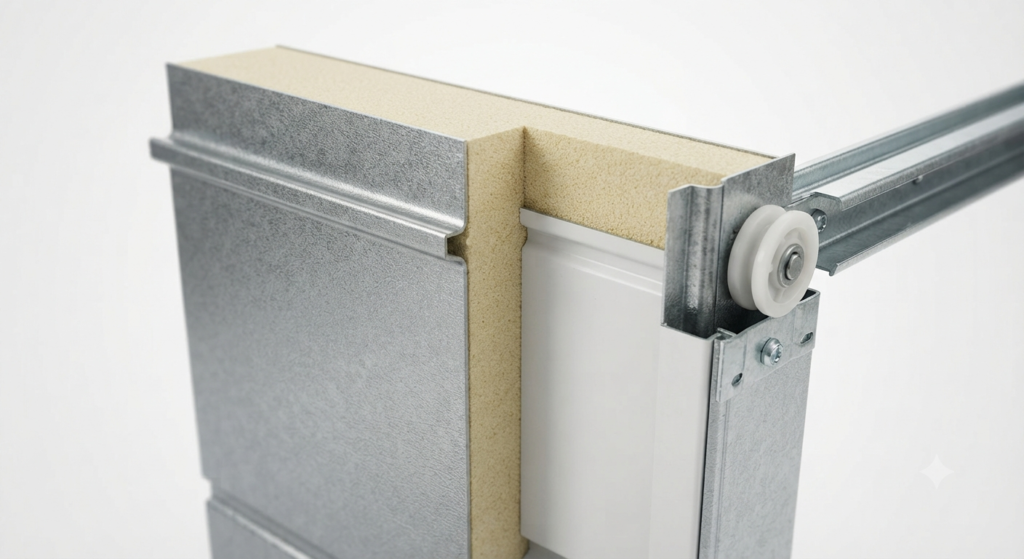
A polyurethane insulated garage door is built with steel panels and filled with high-density polyurethane foam. Unlike standard doors, the foam expands inside the panels and bonds to the steel, creating a stronger, quieter, and more energy-efficient door. This type of polyurethane garage door insulation also helps reduce heat transfer, making the garage more comfortable throughout the year.
How Polyurethane Foam Insulation Works
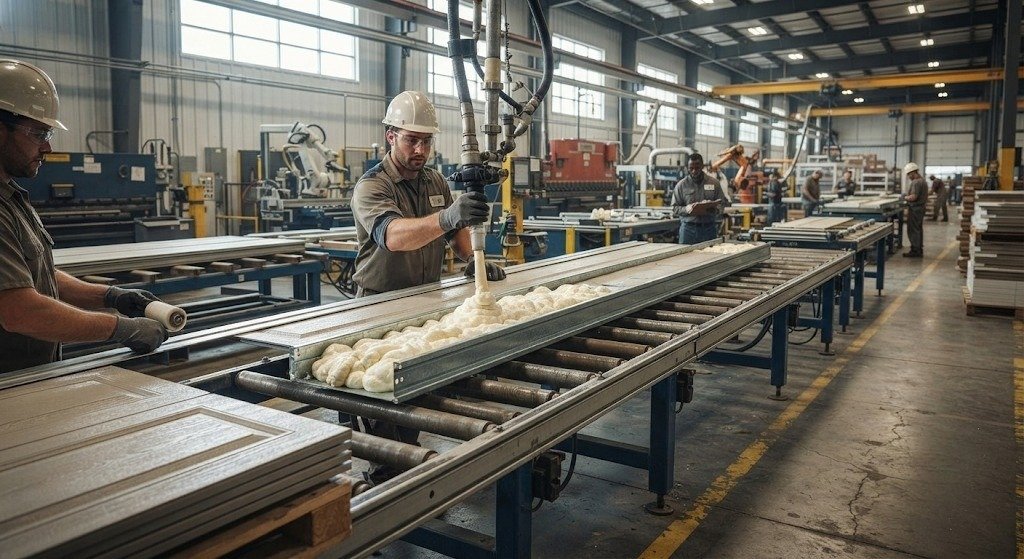
Polyurethane foam garage door insulation is injected into the door while it’s being made. The foam expands to fill every small gap inside the panels, then hardens into a solid insulated core. That’s how polyurethane insulation works in sectional garage doors it adds thermal resistance, improves strength, and helps block outside noise at the same time.
Garage Door Construction Explained
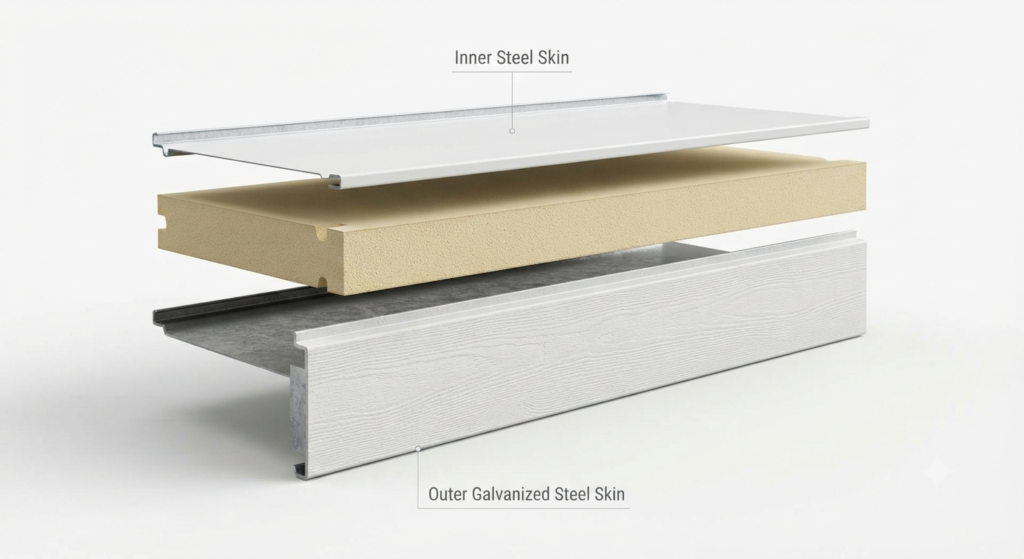
A typical sectional garage door with polyurethane insulation uses a three-layer construction. The outer and inner steel skins are made from durable galvanized steel, while the middle is packed with a foam-filled garage door insulated core. This design gives the door better durability, improved insulation, and smoother everyday performance.
How Polyurethane Insulation Improves Garage Door Performance
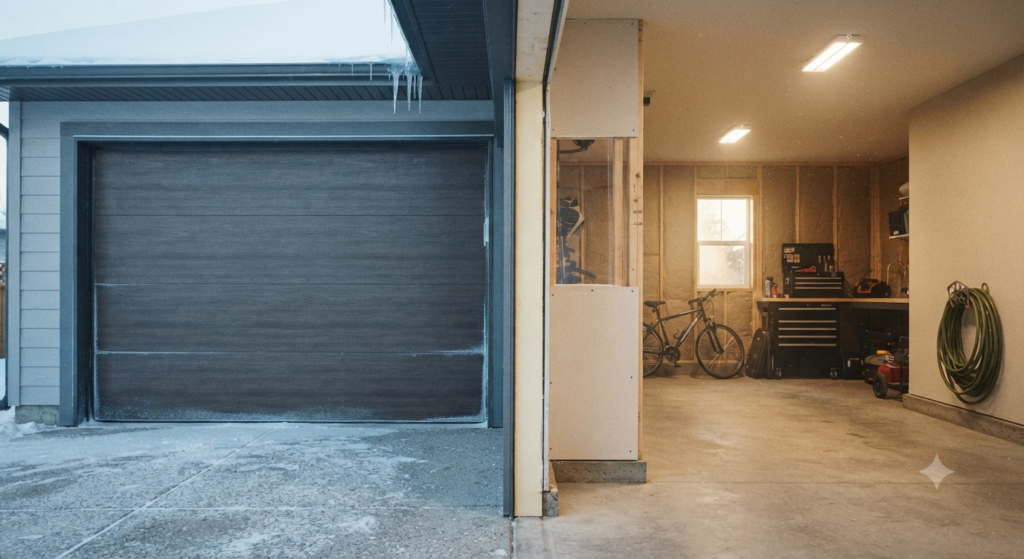
Thermal Insulation
One of the biggest benefits of polyurethane insulation for garage doors is better thermal insulation. The dense foam slows heat transfer, helping keep warm air inside during winter and hot air outside in summer. That means better insulation performance and a more comfortable garage all year.
Noise Reduction
The foam-filled core also provides excellent sound insulation. It helps reduce outside noise from traffic, wind, or neighbors, making the space much quieter. If your garage is attached to your home, you’ll likely notice the difference.
Strength and Durability
Polyurethane foam doesn’t just insulate the door it also makes it stronger. The bonded core improves impact resistance, while the steel panels offer good moisture resistance and rust resistance when properly finished. With regular maintenance, these doors can provide a long lifespan and hold up well in everyday use.
Polyurethane vs Polystyrene Garage Door Insulation
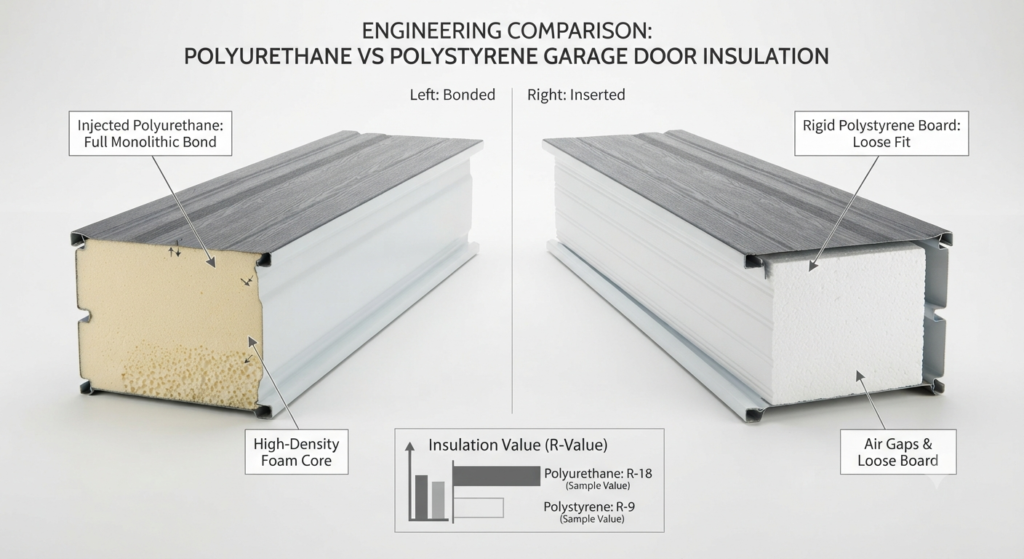
When comparing polyurethane vs polystyrene garage door insulation, the biggest difference is how the insulation is installed. Polyurethane foam is injected into the door, where it expands and bonds to the steel panels. Polystyrene comes as rigid foam boards that fit inside the door without fully bonding to it. Because of this, polyurethane usually offers better insulation and a stronger door.
| Feature | Polyurethane | Polystyrene |
| Insulation | Higher thermal performance | Good, but lower |
| Strength | Bonds to panels for extra rigidity | Adds less structural support |
| Noise Reduction | Better at reducing sound | Moderate |
| Cost | Higher upfront cost | More budget-friendly |
| Best For | Extreme climates and attached garages | Mild climates and lower budgets |
If you’re wondering about garage door insulation polystyrene vs polyurethane, there’s no one-size-fits-all answer. For most homeowners, polyurethane is the better long-term choice because of its energy efficiency and durability. But if budget matters most, polystyrene can still be a solid option. That’s usually the biggest takeaway when looking at polyurethane vs polystyrene insulation in garage doors differences or asking which garage door insulation is best, polystyrene or polyurethane.
Understanding Garage Door R-Value
What Is R-Value?
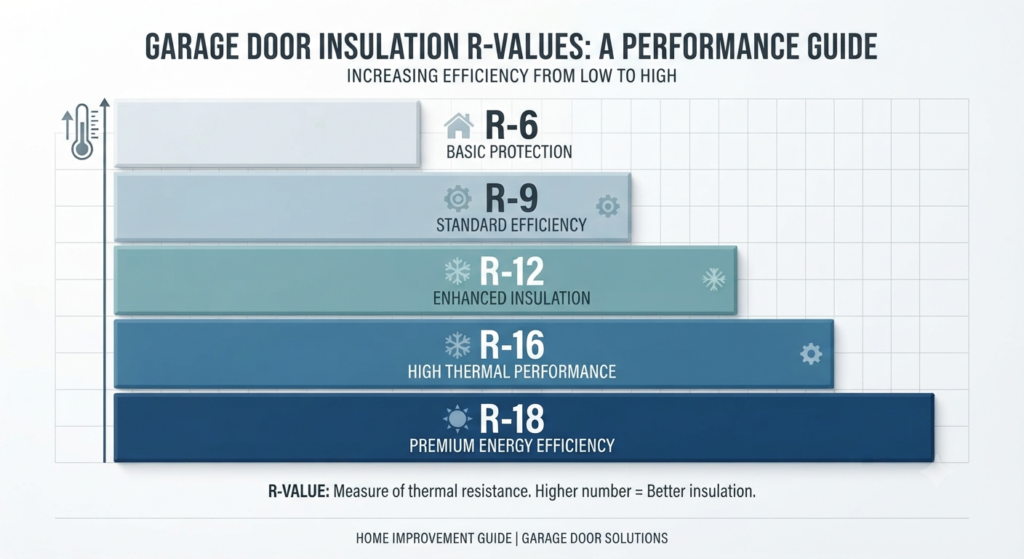
A garage door R-value measures how well a door resists heat flow. The higher the number, the better the insulation. In a simple polyurethane insulation sectional garage door R-value explanation, the foam-filled core helps slow heat transfer, improving overall thermal performance.
Which R-Value Is Best?
The right R-value depends on your climate and how you use your garage. For attached garages or places with very hot or cold weather, a higher R-value is usually worth it. For detached garages in mild climates, a moderate R-value often does the job just fine.
Does a Higher R-Value Always Mean a Better Garage Door?
Not always. While a higher R-value improves insulation, it’s not the only thing that matters. Door thickness, weather seals, build quality, and proper installation also affect real-world thermal performance. A well-built door with a balanced design can perform better than one that simply has the highest R-value.
Benefits of Polyurethane Foam Insulation
The benefits of polyurethane foam insulation in garage doors go beyond keeping your garage warm. It improves energy efficiency, which may help lower energy bills if your garage is attached to your home. It also makes the space more comfortable throughout the year, adds better weather resistance, and helps the door feel stronger and quieter during daily use.
Drawbacks of Polyurethane Insulated Garage Doors
Like any product, there are a few polyurethane insulated garage doors benefits and drawbacks to consider. These doors usually cost more than polystyrene models, and repairs can be a bit more difficult because the foam is bonded inside the panels. They’re also heavier, so quality hardware and professional installation are often recommended for the best performance and long-term reliability.
How Much Do Polyurethane Insulated Garage Doors Cost?
The polyurethane insulated garage doors cost depends on the door size, insulation level, design, and brand. You should also budget for installation cost, especially if you’re replacing an older door. While the upfront price is higher, many homeowners feel the extra insulation and durability make it a worthwhile garage door replacement.
| Item | Typical Cost (USD) |
| Single Garage Door | $800–$2,000 |
| Double Garage Door | $1,200–$3,500 |
| Professional Installation | $300–$800 |
| Total Replacement Cost | $1,100–$4,300+ |
Are Polyurethane Insulated Garage Doors Worth It?
In many cases, yes. They’re a great choice for cold climates and hot climates because they help keep indoor temperatures more stable. If you have an attached garage or use your garage as a workshop, the added comfort and quieter operation can make a noticeable difference. They may also increase home value, and the long-term energy savings can provide a solid return on investment (ROI) over time.
Installation and Maintenance Tips
DIY vs Professional Installation
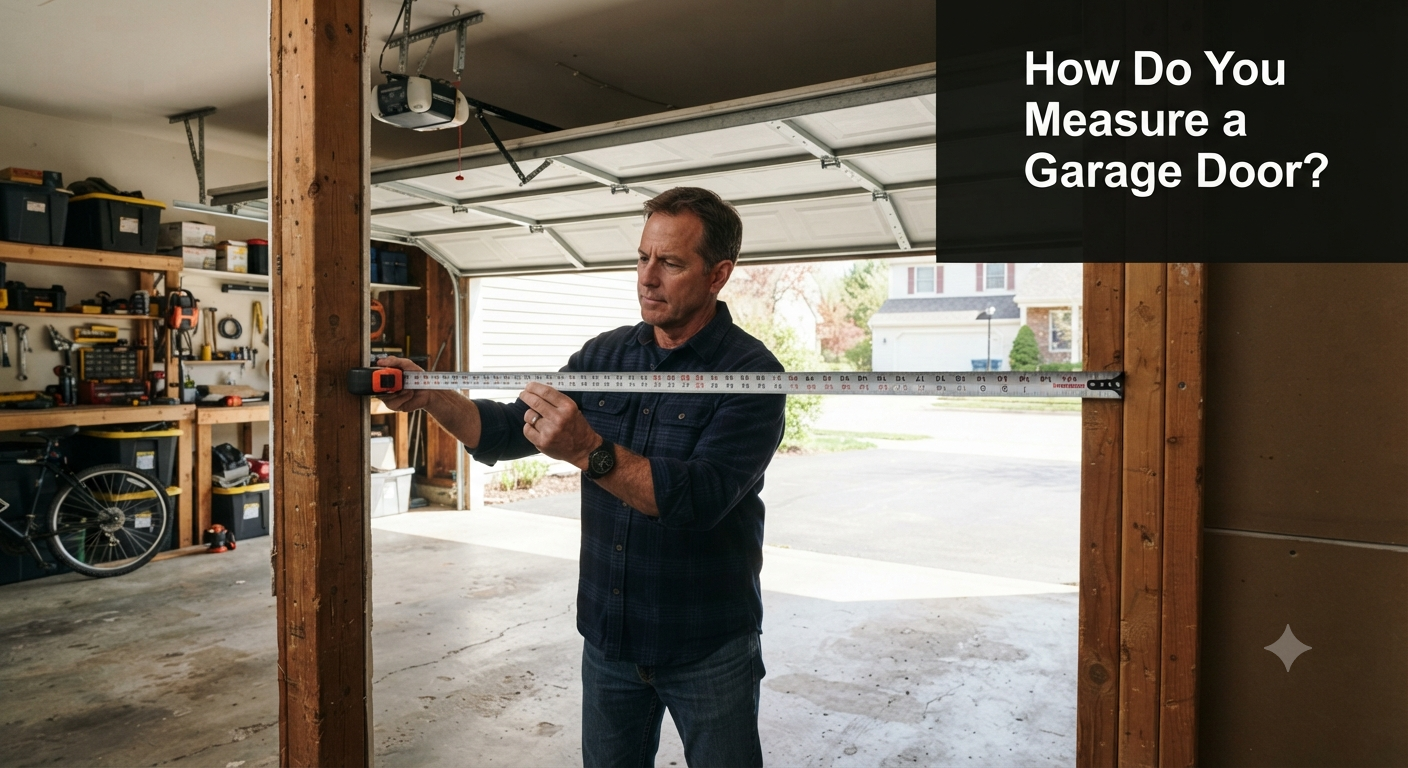
A DIY installation may work if you have experience, but most homeowners are better off hiring a professional. Garage doors are heavy, and parts like the springs need careful handling. A proper installation also helps the door perform as expected.
Maintenance Checklist
Good garage door maintenance doesn’t take much time, but it helps extend the life of the door.
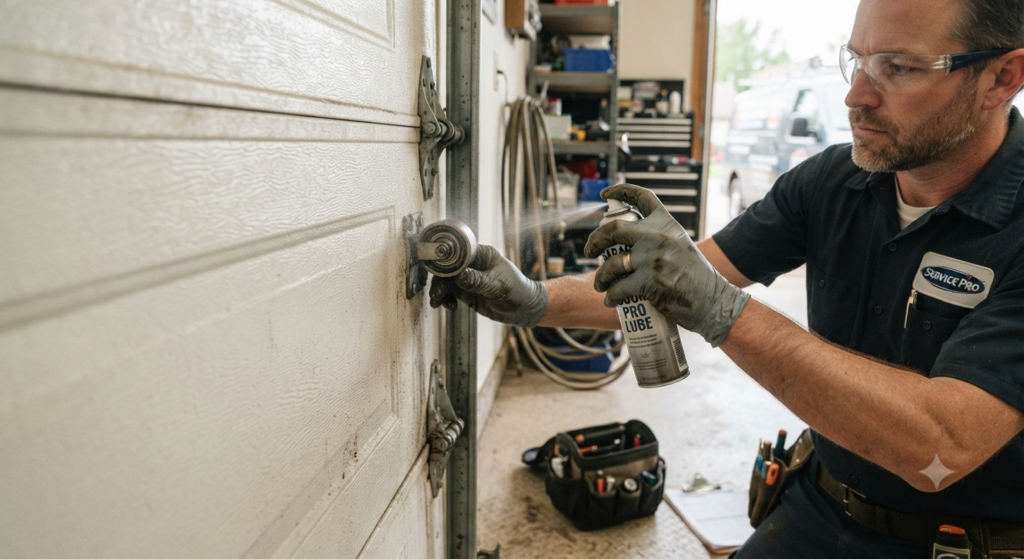
- Lubricate the rollers, hinges, and moving parts.
- Check the tracks for dirt or damage.
- Inspect the weatherstripping for cracks or gaps.
- Tighten loose hardware and test the door balance once or twice a year.
Residential vs Commercial Polyurethane Garage Doors
While both types use the same insulation technology, polyurethane insulated commercial garage doors are built for heavier use and larger openings. Residential models focus more on appearance, comfort, and energy savings, while commercial doors are designed for durability, security, and frequent daily operation.
Can You Add Polyurethane Insulation to an Existing Garage Door?
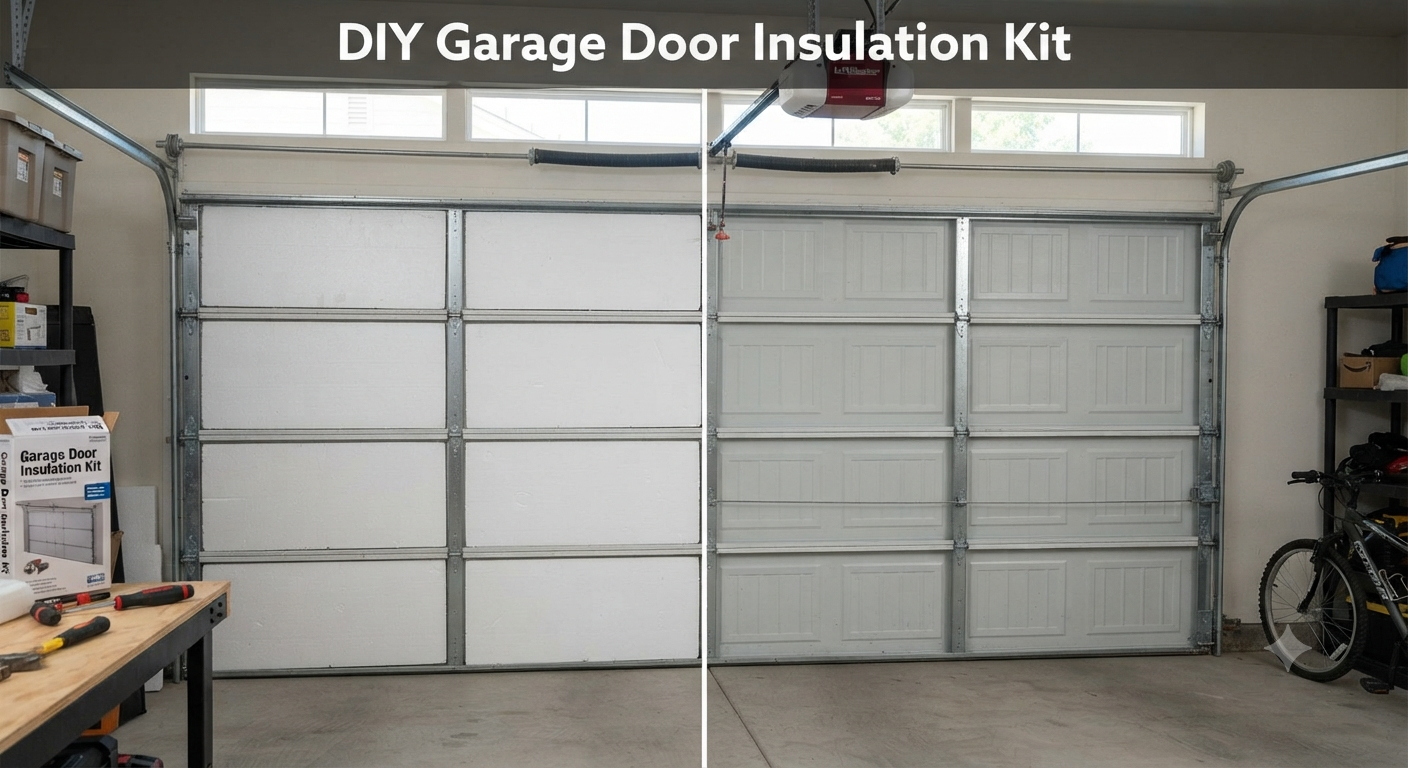
Yes, but there are limits. A polyurethane garage door insulation kit can improve insulation on some existing doors, but it won’t match the performance of a factory foam-injected door. Factory-built doors have foam that expands and bonds to the steel panels, making them stronger and more energy efficient than most retrofit kits.
Common Mistakes When Choosing an Insulated Garage Door
A few simple mistakes can lead to higher costs or lower performance:
- Choosing the cheapest door instead of looking at long-term value.
- Ignoring the door’s R-value and insulation quality.
- Picking the wrong door thickness for your climate.
- Poor installation that leaves gaps or affects door balance.
- Not considering your local weather before buying.
Conclusion
If you want a garage door that offers better insulation, quieter operation, and long-lasting durability, polyurethane insulated garage doors are hard to beat. They cost a bit more upfront, but the improved comfort, energy savings, and solid construction make them a smart investment for many homes. Choose the right R-value, install it properly, and you’ll likely enjoy the benefits for years.