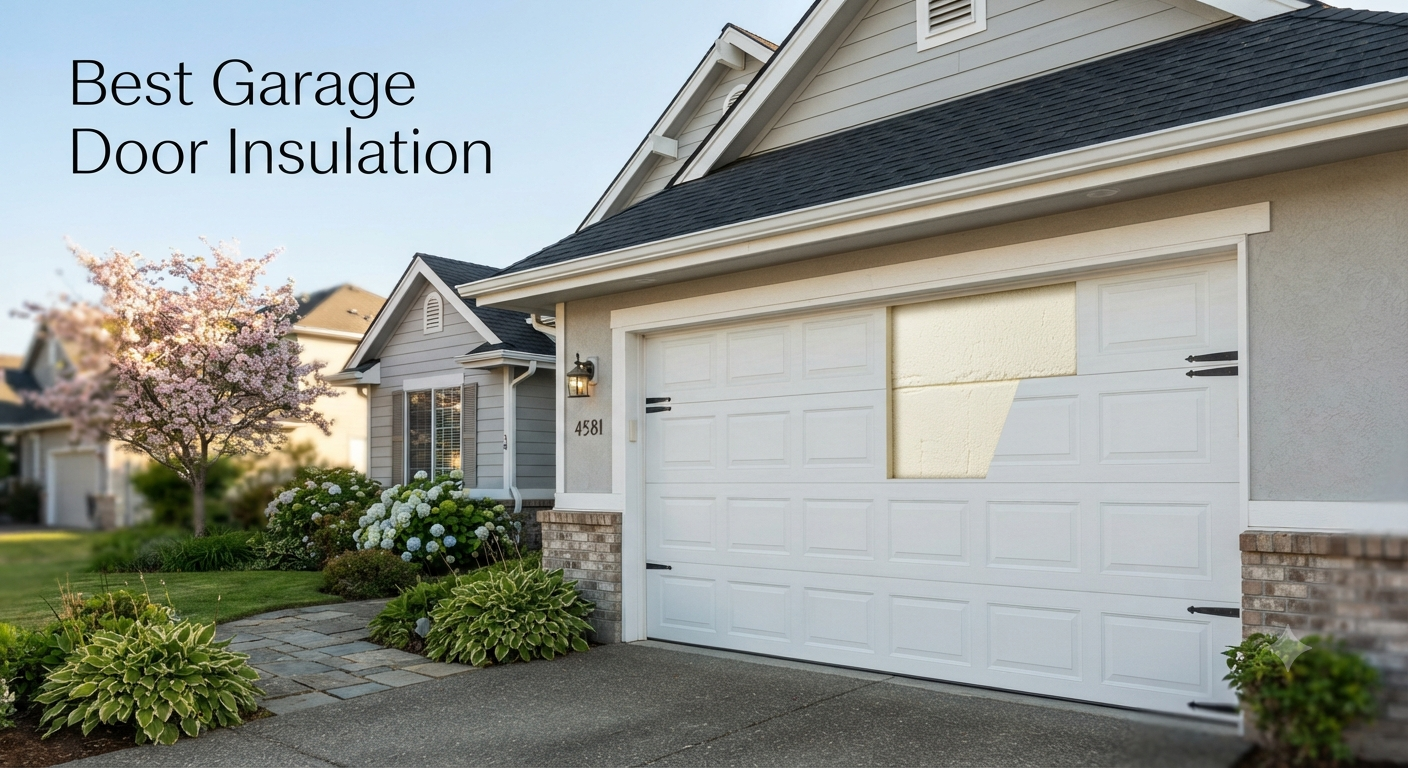
cuts down outside noise, and may even lower energy costs if your garage is attached to your home. The right insulation for garage door also protects stored items from extreme weather and makes the space more comfortable to use. Whether you’re planning a DIY upgrade or looking at insulated garage doors, this guide will help you understand what works, what doesn’t, and how to choose the best option for your home.
What Is Garage Door Insulation?
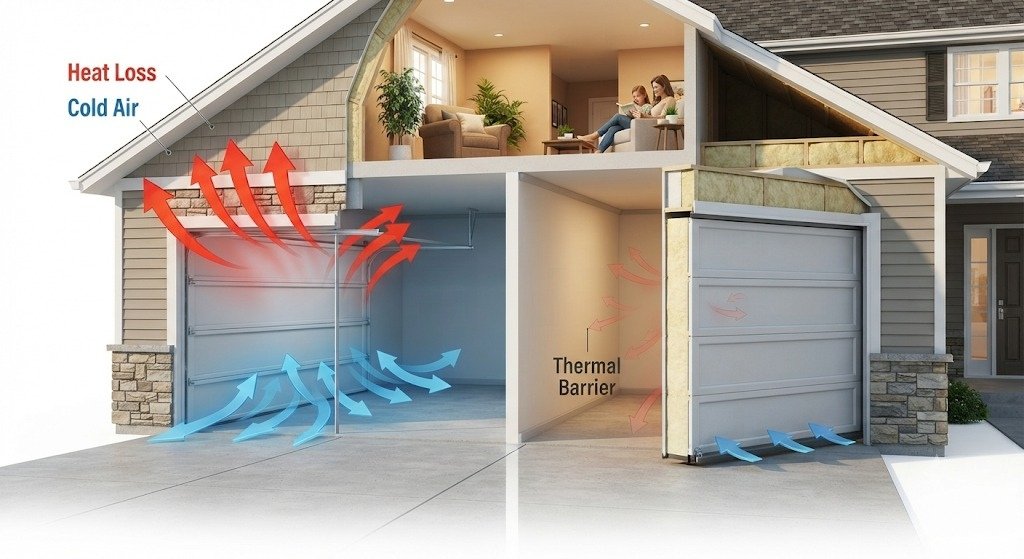
Garage door insulation is a layer of material added inside a garage door to slow down heat transfer between the inside and outside of your garage. In simple words, it acts like a thermal barrier, helping your garage stay warmer in winter and cooler during hot summer days. It won’t completely stop outside temperatures, but it can reduce how quickly heat or cold moves through the door.
A lot of people think insulation garage door upgrades are only useful in places with freezing winters. That’s not really true. If your garage is attached to your home, used as a workshop, home gym, or even just for storage, insulation can make the space feel much more comfortable throughout the year. It also helps protect tools, paint, batteries, and other items that don’t do well in extreme temperatures.
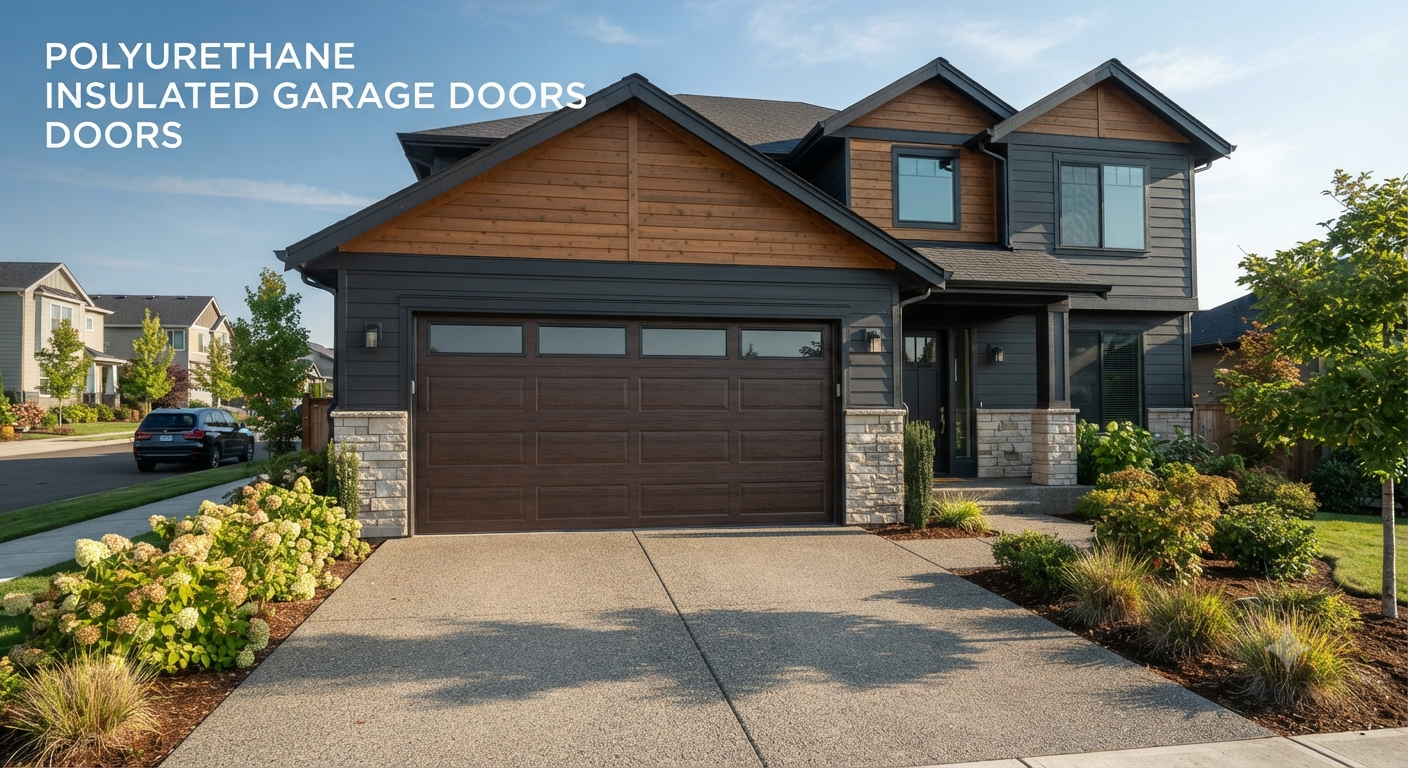
Not every garage door insulated the same way, though. The type of insulation, its thickness, and the overall construction of the door all affect performance. Some modern garage doors insulated with polyurethane or polystyrene offer much better thermal performance than older single-layer steel doors. The higher the insulation quality, the more stable your garage temperature is likely to be.
How Does Garage Door Insulation Actually Work?
A garage door loses heat because metal and other materials let heat flow pass through pretty easily. Garage door insulation panels add a layer that slows this process by creating thermal resistance, making it harder for outside temperatures to move indoors.
Most insulation materials work by trapping tiny air pockets. Those pockets reduce the movement of heat, so your garage stays more comfortable for longer. That’s why a well-insulated door can feel noticeably different during both summer and winter.
You’ll find a few common insulation options. Garage door foam insulation is popular because it’s lightweight and provides solid thermal performance. Foam board garage door insulation is another good choice for DIY projects since it’s easy to cut and fit inside door panels. If you want even better insulation, rigid foam garage door insulation usually offers higher performance while adding very little extra weight to the door.
Benefits of Garage Door Insulation
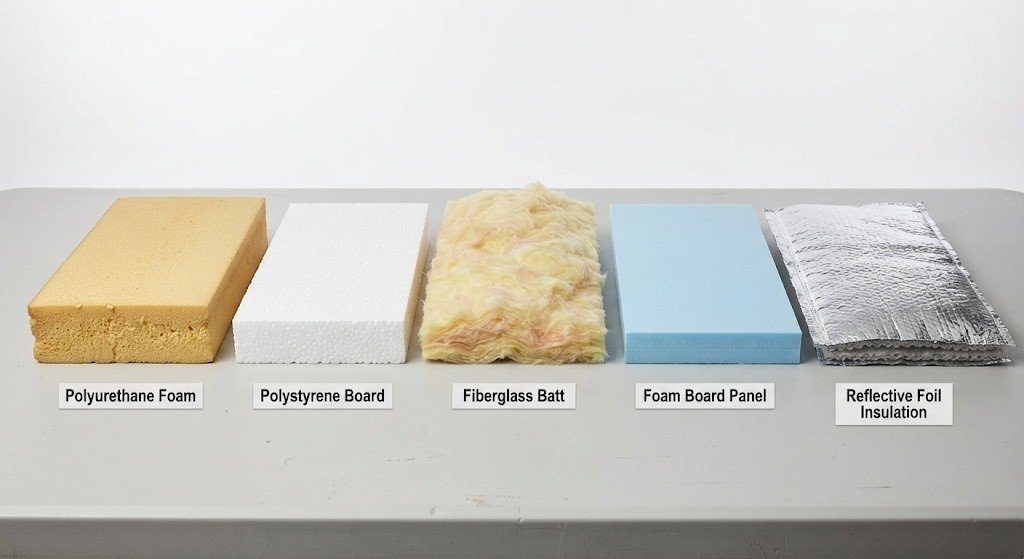
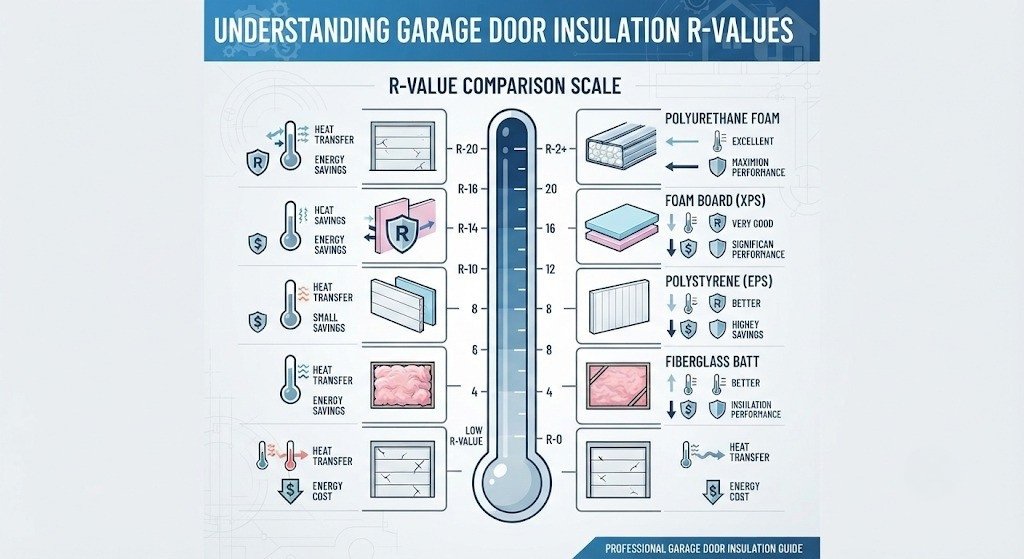
Garage Door Insulation Materials Compared
Not every insulation material performs the same. Some offer better thermal performance, while others are easier to install or cost less. Here’s a simple comparison to help you choose the right option for your garage.
If you’re looking for the best overall performance, polyurethane is usually the top choice. For homeowners on a budget, polystyrene or foam board offers a good balance of cost and insulation. Fiberglass is still a solid DIY option, while reflective insulation works best as an extra layer in areas with intense summer heat rather than as the only insulation material.
Garage Door Insulation Kits
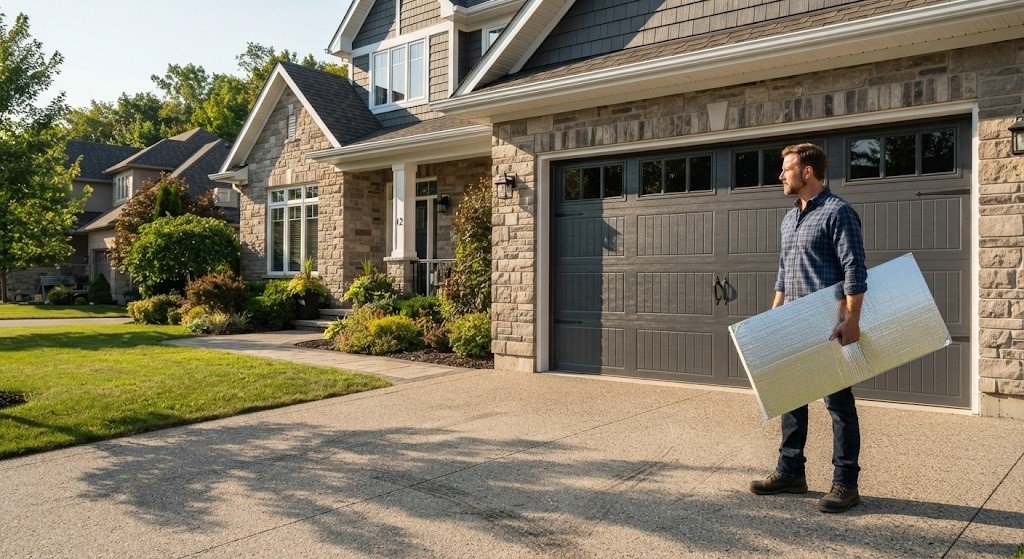
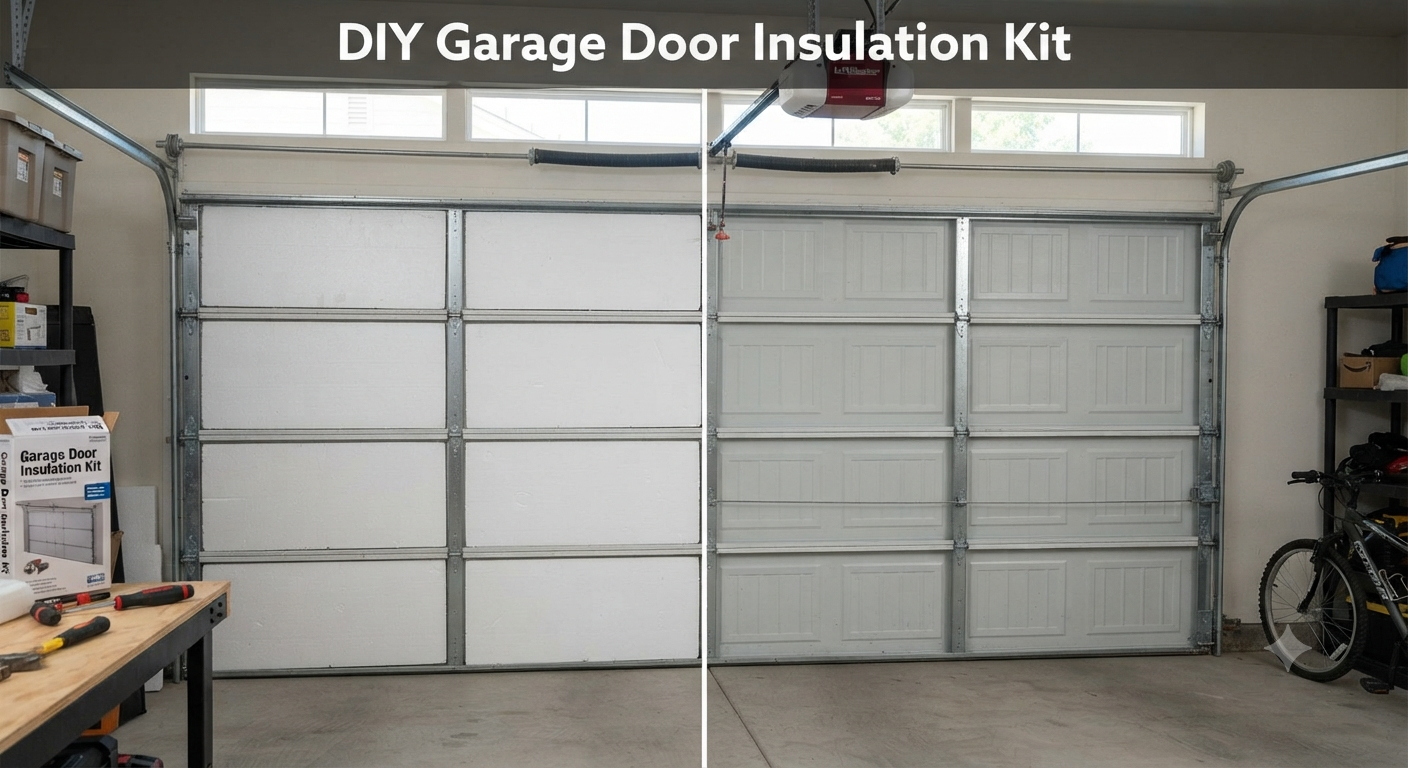
If you want a simple weekend project, a garage door insulation kit is usually the easiest place to start. Most garage door insulation kits include pre-cut panels, adhesive, fasteners, and basic installation instructions, so you don’t need many tools to get the job done.
For DIY garage door insulation, choosing the right kit matters more than buying the most expensive one. A quality kit should fit your garage door properly, offer a decent R-value, and add very little extra weight. Some of the most trusted options include Owens Corning, Matador, and Reach Barrier, each with different materials and insulation performance to match different budgets and climates.
If you’re unsure which one to buy, don’t focus only on price. The best garage door insulation kit is the one that fits your door type, local weather, and how you actually use your garage.
DIY vs Professional Garage Door Insulation
Whether you should do it yourself or hire a pro really depends on your garage door and your comfort level with basic tools. A simple garage door insulation installation can be a good DIY project if you’re using a ready-made insulation kit and your door is in good condition.
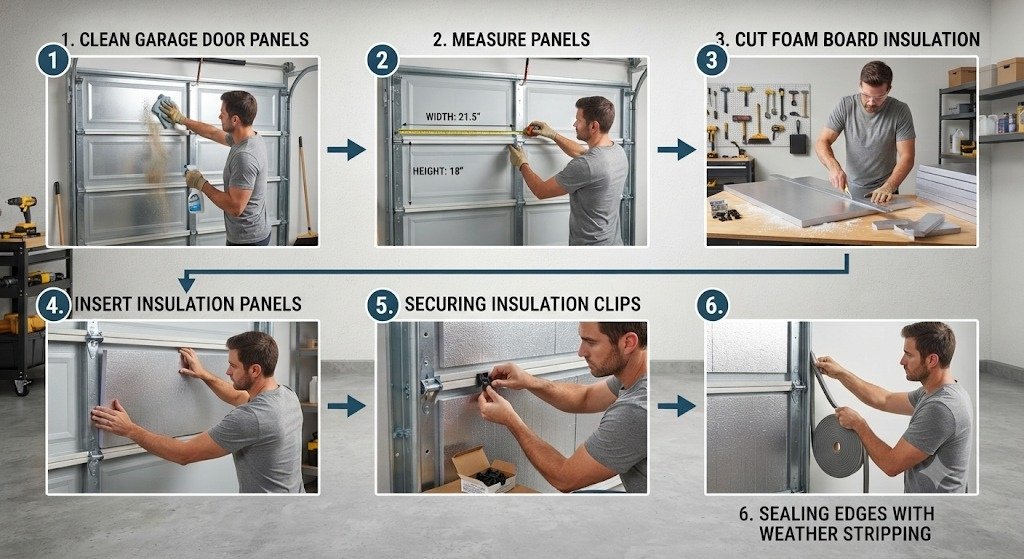
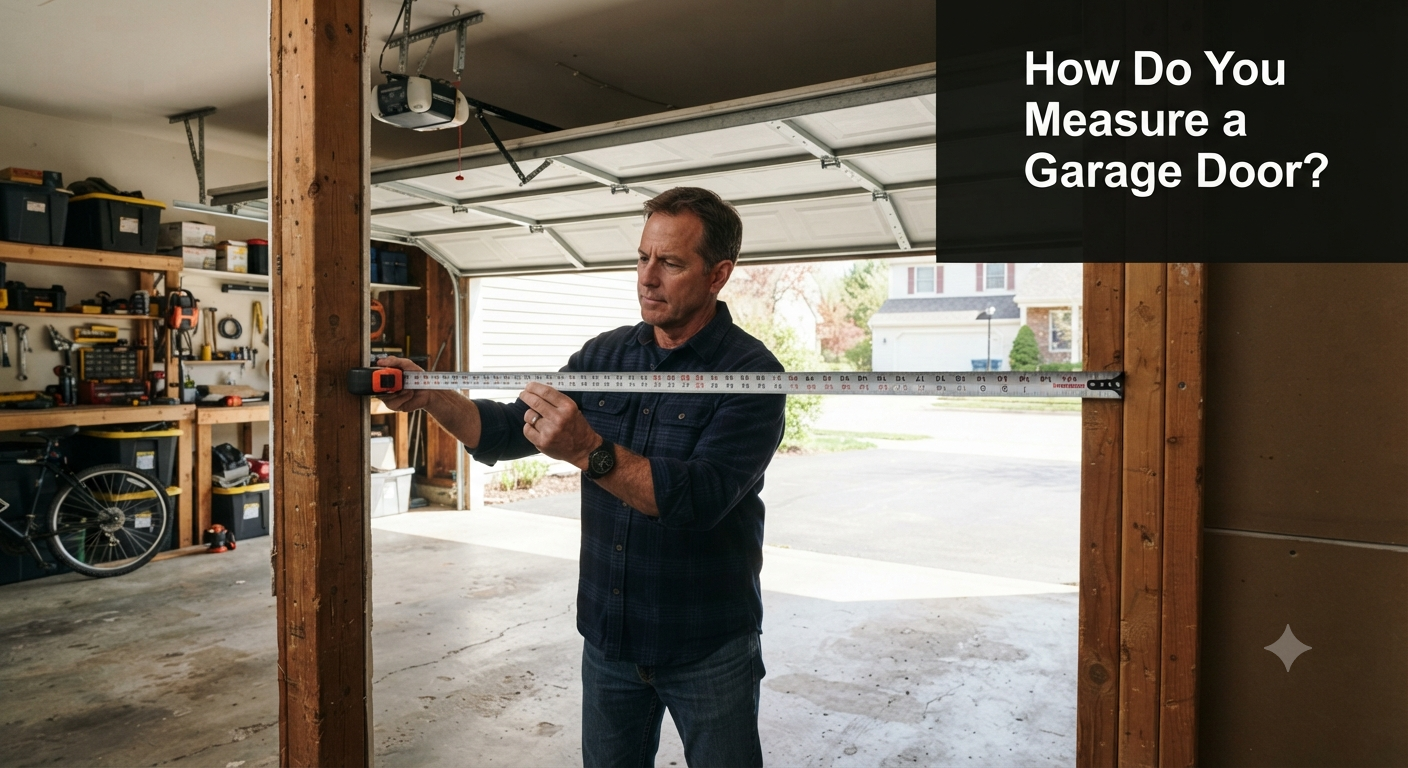
If you’re wondering how to install garage door insulation, the basic process is pretty straightforward. You measure the door panels, cut the insulation if needed, secure it in place, and check that the door still opens and closes smoothly. Just be careful not to add too much weight, as it can affect the door’s balance.
For older, damaged, or custom garage doors, professional garage insulation is often the better choice. An installer can recommend the right insulation material, make sure it’s fitted correctly, and check that the door operates safely after the upgrade. It costs more, but it can save you from fixing mistakes later.
How to Insulate a Garage Door (Simple Steps)
If you’re wondering how to insulate garage door the right way, the process is easier than most people expect. With the right materials and a little patience, many homeowners can finish the job in just a few hours.
If you’re still asking, “how do I insulate a garage door?”, start with a quality insulation kit designed for your door type. For most homeowners, do it yourself garage door insulation is a practical and budget-friendly upgrade, as long as you don’t overload the door with heavy materials.
How to Choose the Best Garage Door Insulation
Choosing the right insulation isn’t just about getting the highest R-value. Think about your garage, your local weather, and how you actually use the space. A little planning now can save you money and frustration later.
Garage Type
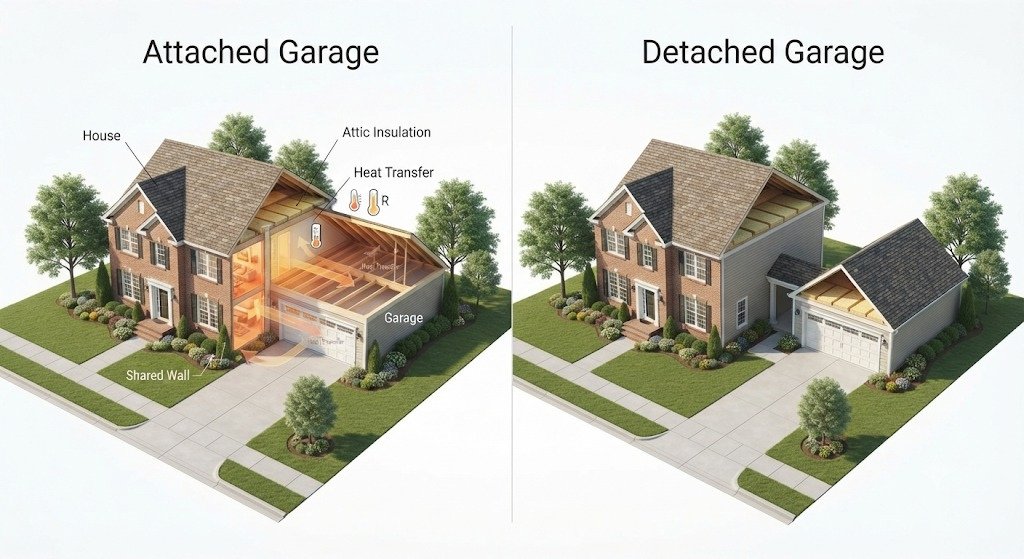
Start with the type of garage you have. An attached garage usually benefits the most from better insulation because it shares walls with your home. A detached garage often doesn’t need the same level of insulation unless it’s used as a workshop or storage space. If your garage is heated or cooled year-round, investing in higher-quality insulation is usually worth it.
Material
The garage door material also matters. Steel doors are easy to insulate and work well with most insulation kits. Wood doors provide some natural insulation but may still need an extra layer in colder climates. Aluminum doors are lightweight, so choose insulation that won’t add too much weight. If you have a roll up garage door, look for insulation made specifically for that style to avoid affecting its movement.
Climate
Your local weather should help guide your decision. In cold climates, choose insulation with a higher R-value to reduce heat loss. In hot areas, reflective or foam-based insulation can help block heat from entering the garage. If you experience mixed seasons with both hot summers and cold winters, a balanced insulation material that performs well all year is usually the smartest choice.
Garage Door Insulation Cost
The garage door insulation cost depends on the insulation material, your garage door size, and whether you install it yourself or hire a professional. A basic DIY insulation kit is usually the most affordable option, while premium materials and professional installation will cost more.
If you’re replacing the entire door, insulated garage door prices are naturally higher than standard models because they include built-in insulation and stronger construction. The final insulated garage door cost also varies based on the door material, insulation type, R-value, windows, and other custom features.
Don’t forget to include installation cost in your budget if you’re not planning to do the work yourself. In many cases, paying a professional is worth it, especially for heavier doors or high-performance insulation systems that need proper fitting.
Insulated vs Non-Insulated Garage Doors
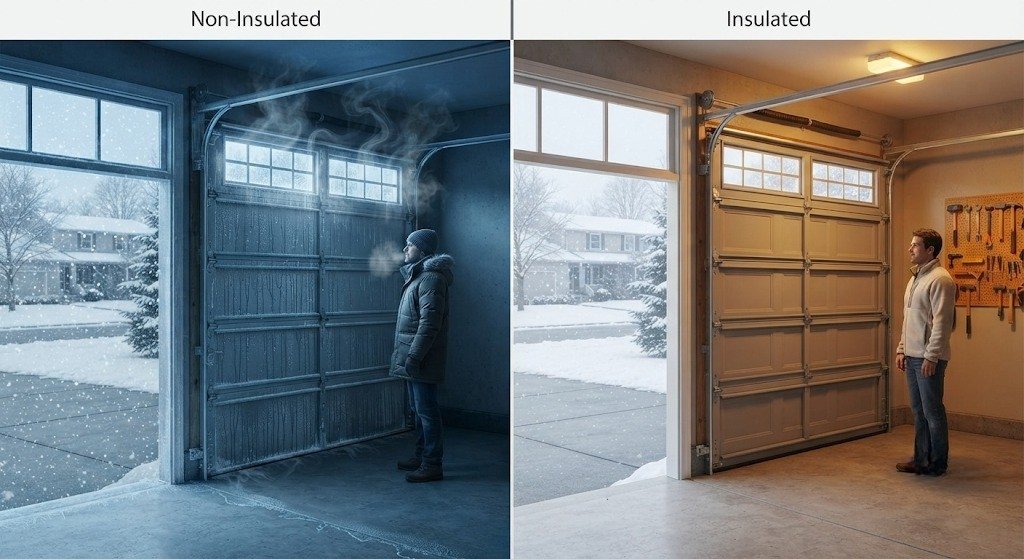
If you’re trying to decide between an insulated vs non insulated garage door, think about how you use your garage. If it’s attached to your home, used as a workspace, or exposed to extreme weather, an insulated door is usually the better long-term choice. On the other hand, non insulated garage doors can still work well for detached garages that are mainly used for parking or basic storage.
For most homeowners, best insulated garage doors are worth considering if comfort, energy savings, and durability matter. If budget is your main concern and your garage isn’t used very often, a standard non-insulated door may still be a practical option.
Common Mistakes People Make
Even good insulation won’t perform well if it’s installed the wrong way. Here are a few common mistakes that can reduce its effectiveness.
Do You Really Need Garage Door Insulation?
The answer depends on how you use your garage. If it’s attached to your home, used as a workshop, home gym, or laundry area, then the answer is usually yes. If it’s only for parking and you rarely spend time there, the benefits may be smaller.
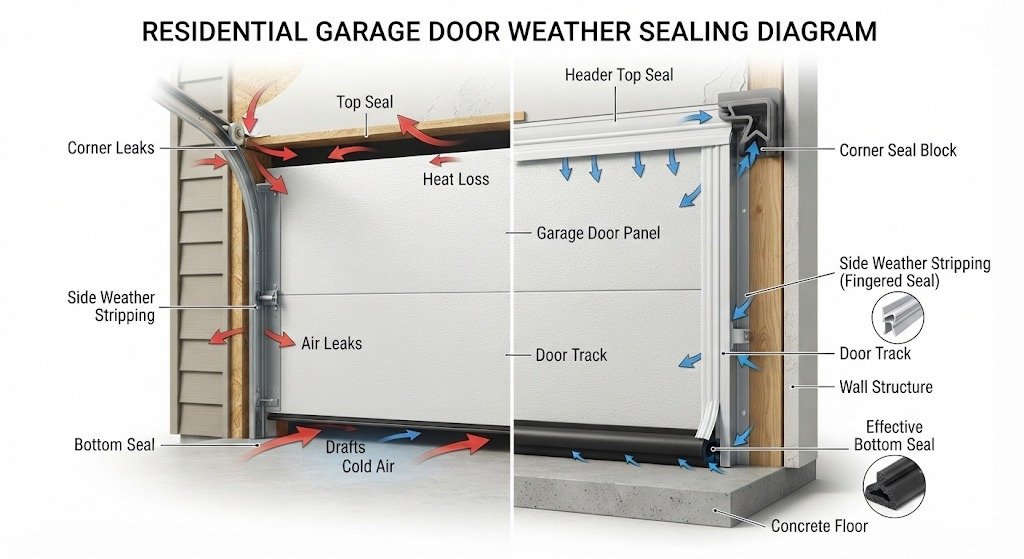
Many homeowners ask, “is garage door insulation worth it?” In most cases, it is—especially if you’re trying to improve comfort, reduce outside noise, or make the garage more energy efficient. Just keep in mind that insulation works best when it’s combined with good weather sealing around the door.
Another common question is, “should I insulate my garage door?” If your garage gets extremely hot in summer or very cold in winter, adding insulation is often a smart upgrade. It’s also a good idea if the garage shares a wall with your living space.
So, does garage door insulation work? Yes, it does. While it won’t completely control the temperature on its own, it slows heat transfer, helps create a more comfortable garage, and can improve overall energy efficiency when installed correctly.
Frequently Asked Questions
Final Thoughts
Choosing the right garage door insulation isn’t just about getting the highest R-value or buying the most expensive kit. The best option depends on your garage, your local climate, and how you use the space every day. A well-insulated garage can be more comfortable, quieter, and easier to keep at a stable temperature throughout the year.
If you’re planning an upgrade, take a little time to compare insulation materials, check your door type, and seal any air gaps before you begin. Those small details often make the biggest difference. Whether you’re tackling a DIY project or hiring a professional, investing in the right garage door insulation is a practical improvement that can pay off in comfort, durability, and long-term value.