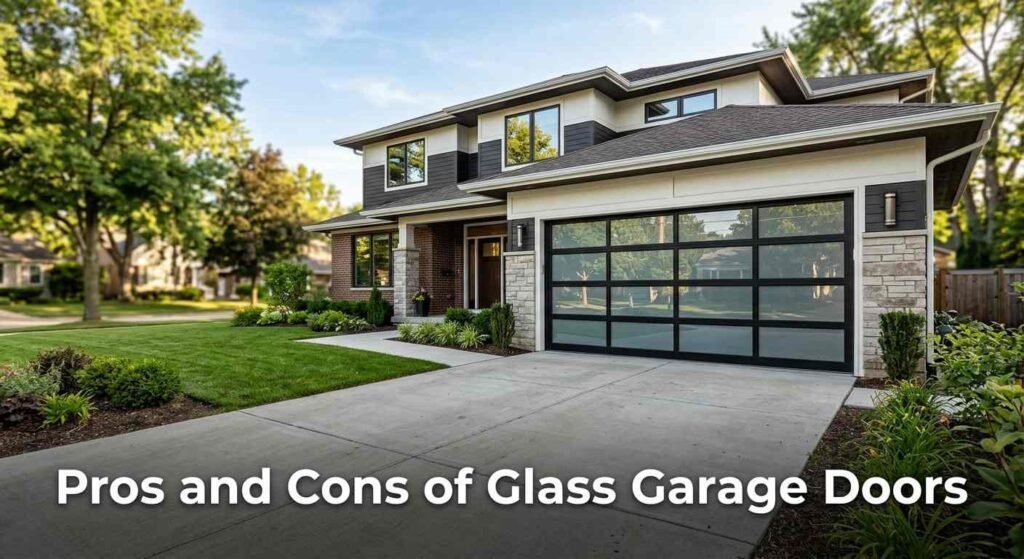
So you’re eyeing one of those big glass garage doors and wondering if it’s actually worth the money. I’ll be straight with you, they look incredible, but you’re trading off privacy and insulation for that look. That’s really the whole story with the pros and cons of glass garage doors. Keep reading and I’ll break down exactly what you’re getting into, no sugarcoating.
What’s a Glass Garage Door, Really?
Okay, quick reality check before we get into it. These doors aren’t fully glass, even though everyone calls them that. Under the hood, you’ve got an aluminum frame (sometimes steel) holding a bunch of glass panels together, kinda like a big window wall bolted onto your garage. The glass is almost always tempered. That just means when it breaks, it crumbles into small, dull pieces instead of turning into knife-sharp shards. Small mercy, I guess.
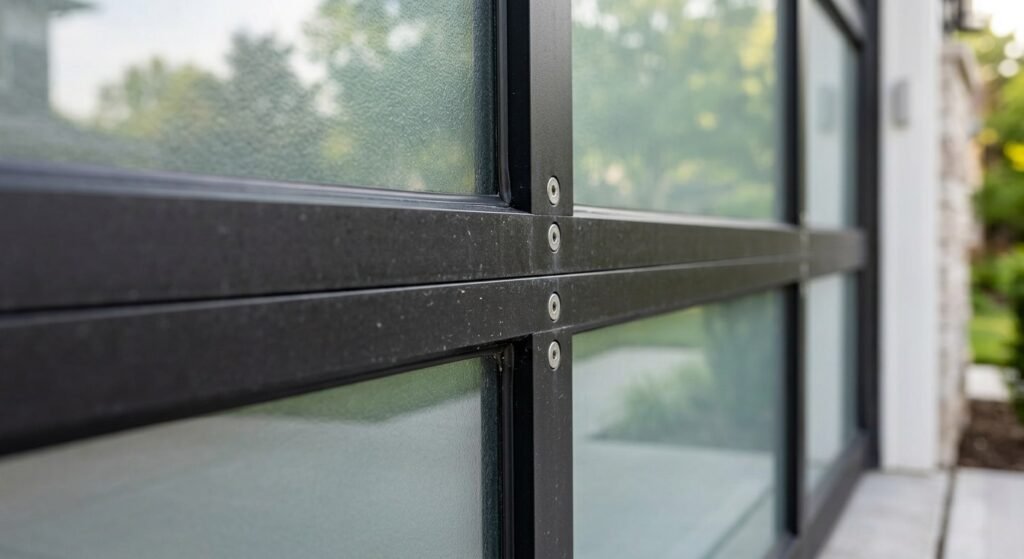
A few glass options you’ll run into while shopping:
- Clear – you can see right through it, zero privacy, full light
- Frosted – light gets in, but people can’t really make out what’s behind it
- Tinted – a bit darker, cuts down glare
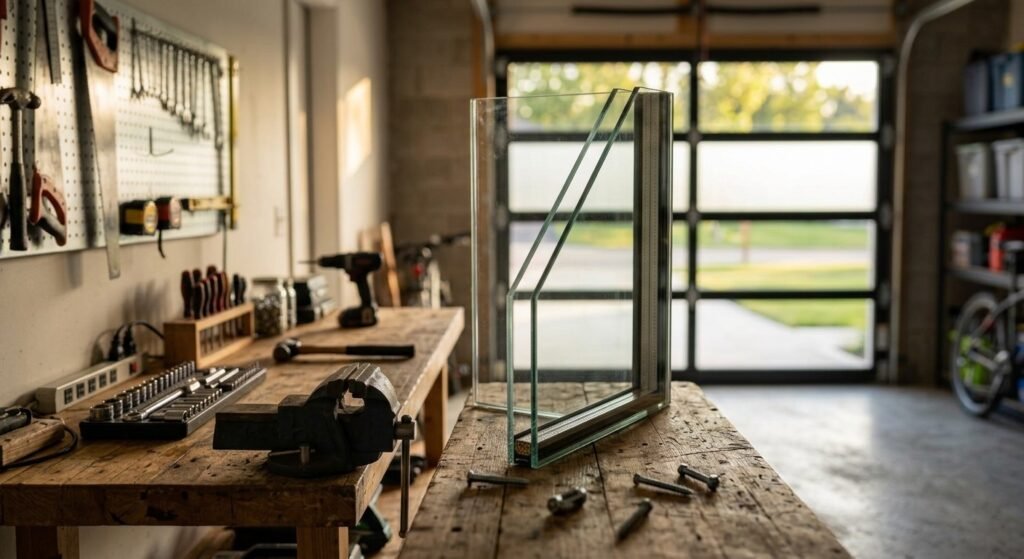
- Insulated – two panes with a gap between them, holds temperature better
- Mirrored – bounces light back outward, gives you a bit more privacy
The Good Stuff: Pros of Glass Garage Doors
They Look Genuinely Modern
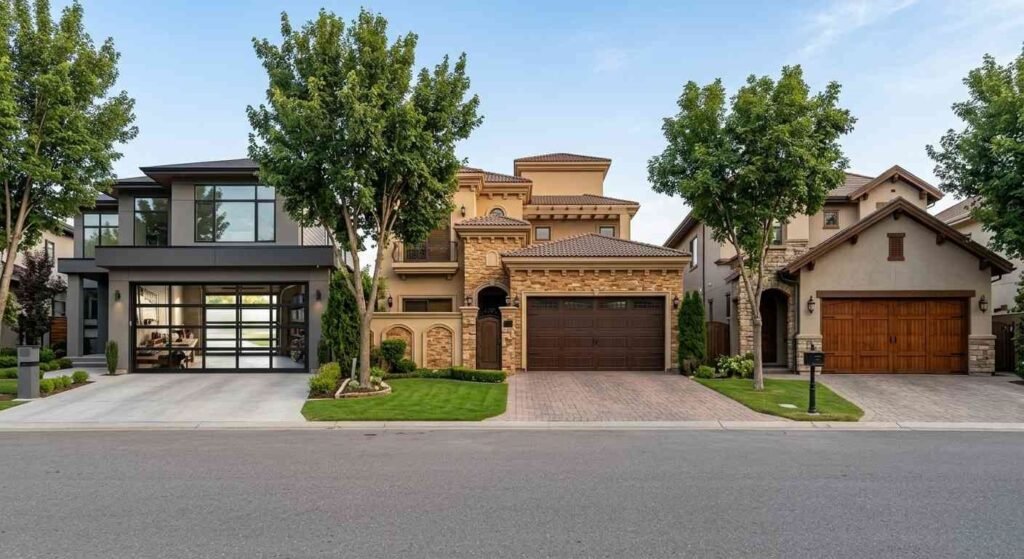
Not gonna lie, this is the whole reason people want one. A glass door on a modern or industrial house looks sharp, almost like something out of a home design magazine. But if your house is more of a colonial or cottage style? A full glass door can look kind of out of place. Worth standing outside and picturing it before you drop the money.
Your Garage Actually Gets Daylight
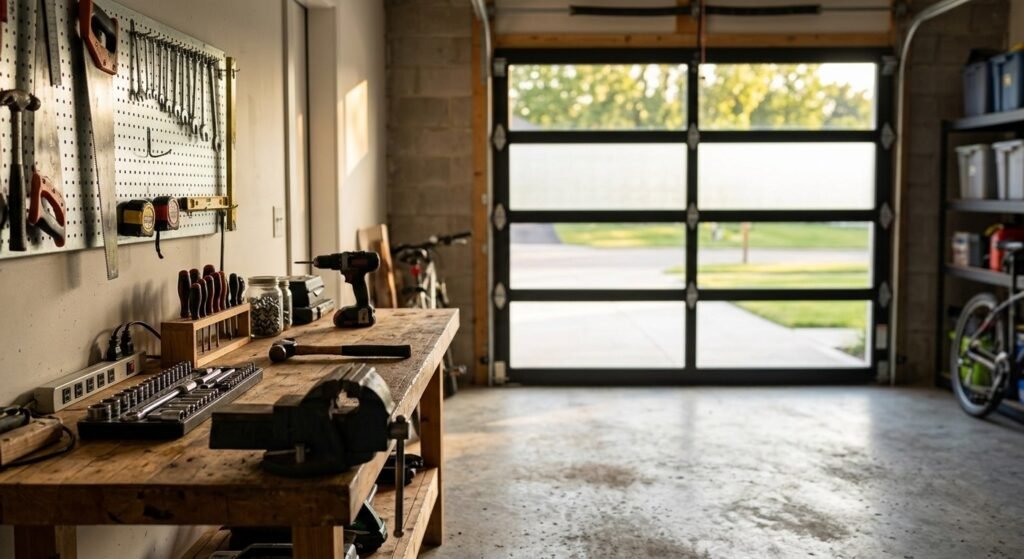
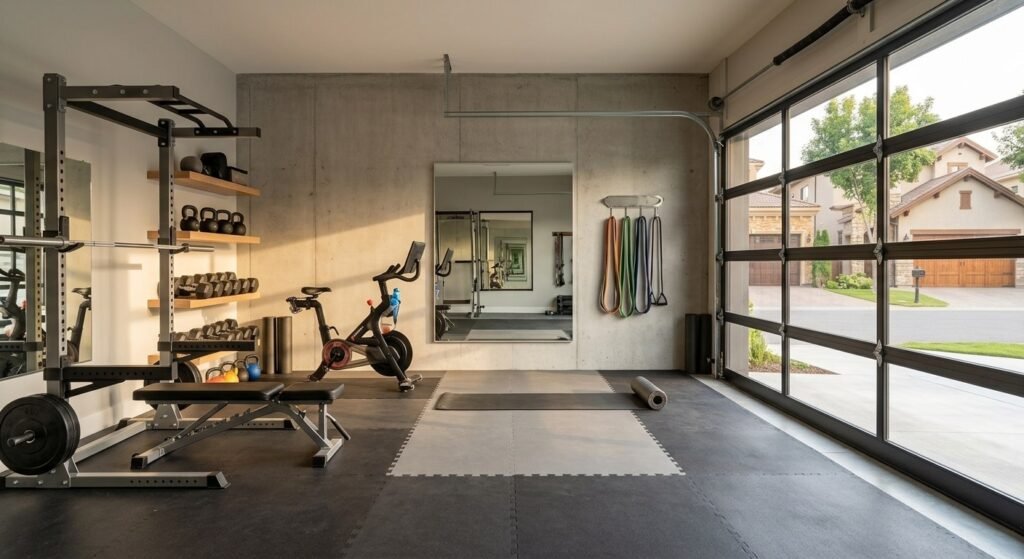
Most garages are basically caves, even at noon. A glass door fixes that fast. If you use yours as a workshop, gym, or just somewhere to mess around with projects, real daylight in there makes a bigger difference than people expect. You stop reaching for the light switch every five minutes.
Curb Appeal Gets A Boost
Your garage door takes up a huge chunk of your home’s front view — more than most people realize. Swap in a glass one and you get an instant upgrade to how the house looks from the street. Whether that turns into more resale money later depends a lot on your neighborhood though. Some buyers love the modern look, others want something more traditional. If resale value is your main reason for doing this, ask a local realtor what actually moves houses in your area first.
Less Rotting, Less Painting
Aluminum frames don’t rot or crack the way wood does, and you’re not repainting them every few years either. That part’s genuinely low-maintenance. The glass itself needs more cleaning than a solid door though, we’ll get there.
You’ve Got Design Options
You don’t have to go full glass if you don’t want to. A lot of homeowners do a hybrid, solid panels on the bottom, glass up top. You get some of the look without diving headfirst into all the downsides.
Now The Not-So-Fun Part: Cons of Glass Garage Doors
Insulation Is Where Glass Falls Short
Insulation gets measured with something called R-value, basically, higher number means it holds temperature better. Below is a general idea of how different door types typically compare. These numbers vary by brand, glass thickness, and construction, so treat them as a starting point, not gospel, always check the manufacturer’s actual spec sheet for the specific door you’re considering:
| Door Type | Typical R-Value (verify with manufacturer) |
| Non-insulated steel | R-0 to R-2 |
| Single-pane glass | R-1 to R-2 |
| Insulated steel (foam core) | R-9 to R-18+ |
| Insulated wood | R-6 to R-10 |
| Insulated double-pane glass | R-3 to R-6 |
Where You Live Matters More Than People Admit
- Cold states (Midwest, Northeast, mountain areas): Heat loss is your main enemy. Even double-pane insulated glass loses more heat than steel does. If your garage gets heated in winter, you’re basically paying to warm the outdoors a little.
- Hot, sunny states (Southwest, South): Clear glass can turn your garage into a mini greenhouse by afternoon. Tinted or mirrored glass knocks that down some, but it won’t fully solve it.
- Humid states (Southeast, Gulf areas): Condensation becomes a real thing here, more on that below.
- Coastal or storm-prone areas: Some places legally require wind-rated or impact glass. Check with your local building department before ordering, because not every glass door model meets that.
Privacy Is Only Sort Of Fixable
Clear glass shows everything, obviously. Frosted or tinted helps, but even those can show shadows and shapes at night once your garage light’s on. If your garage faces a busy street, this is worth actually thinking through, not just brushing off as a minor detail.
Condensation Sneaks Up On You
Barely anyone talks about this one. Glass collects moisture and fogs up more than a solid door, especially single-pane glass in humid weather or when there’s a big temperature swing between inside and out. Left unchecked long enough, that moisture can lead to water spots, or even a bit of mold near the frame if your garage doesn’t get decent airflow. Double-pane glass helps a lot with this.
Sun Can Fade Whatever’s Stored In There
Here’s one nobody mentions, if you’re parking a car in there, or storing furniture, boxes, tools, whatever, direct sunlight through a big glass door will fade and dry that stuff out faster over time. Car paint, cardboard, wood furniture, all of it takes more of a beating from constant UV than it would behind a solid door.
They’re Heavier Than You’d Guess
Glass panels weigh more than standard steel ones. Depending on the size of the door, your current garage door opener might not be strong enough to handle it. Ask your installer up front whether you’ll need a hardware or opener upgrade too, that’s an extra cost some quotes just don’t mention until later.
Glass Can Still Crack
Tempered glass is safer than regular glass since it crumbles into dull bits instead of sharp shards, and it holds up fine under everyday use. That said, it’s more susceptible than steel to certain kinds of impact, a hard hit from a stray ball, hail, or a bumped ladder can crack a panel. And unlike steel, you can’t just pop out a dent. You’re replacing that whole panel.
They Cost More — Sometimes A Lot More
Expect to pay noticeably more than a steel door, this is one of the most consistent trade-offs across the board. Based on general market pricing at the time of writing, smaller or partial-glass doors can start in the low thousands, while full custom or insulated glass setups often run well into five figures. Exact pricing depends heavily on size, glass type, your region, and the installer, so treat any number you read online (including this one) as a rough starting point and get a few local quotes before locking in a budget.
Worth A Quick Check With Your Insurance Company
This one’s easy to overlook. Repair costs for a feature can sometimes play into how an insurer prices a policy or handles a claim, and a cracked glass panel is generally pricier to replace than a dented steel panel. Whether this actually affects your premium depends entirely on your provider and policy, so it’s not something you should assume either way. A quick call to ask before you install one is a lot easier than being surprised later.
Check Your HOA And Local Codes First
If you’re in an HOA neighborhood, some of them flat-out restrict garage door materials or need approval before anything unusual goes up. And in storm-prone or coastal areas, your city might require wind-rated glass to meet code. Both are easy to check before buying, way harder to deal with after.
Glass vs Steel vs Wood: Quick Comparison
| Factor | Glass | Insulated Steel | Wood |
| Insulation | Low to okay | Good to great | Decent |
| Upfront cost | High | Low to medium | High |
| Maintenance | Needs regular cleaning | Barely any | Needs repainting/sealing |
| Privacy | Limited even when frosted | Full | Full |
| Impact resistance | Weaker | Strong | Medium |
| Best for | Mild climates | Any climate | Mild to medium climates |
Can You Fix The Insulation Problem Later?
If you already own a glass garage door, or you’re set on getting one anyway, you’re not totally stuck. A few things that actually help:
- Swap in insulated double-pane panels if you’ve currently got single-pane, a lot of manufacturers let you replace just the panels instead of the whole door.
- Add better weatherstripping around the frame. Aluminum frames are notorious for tiny air gaps that add up.
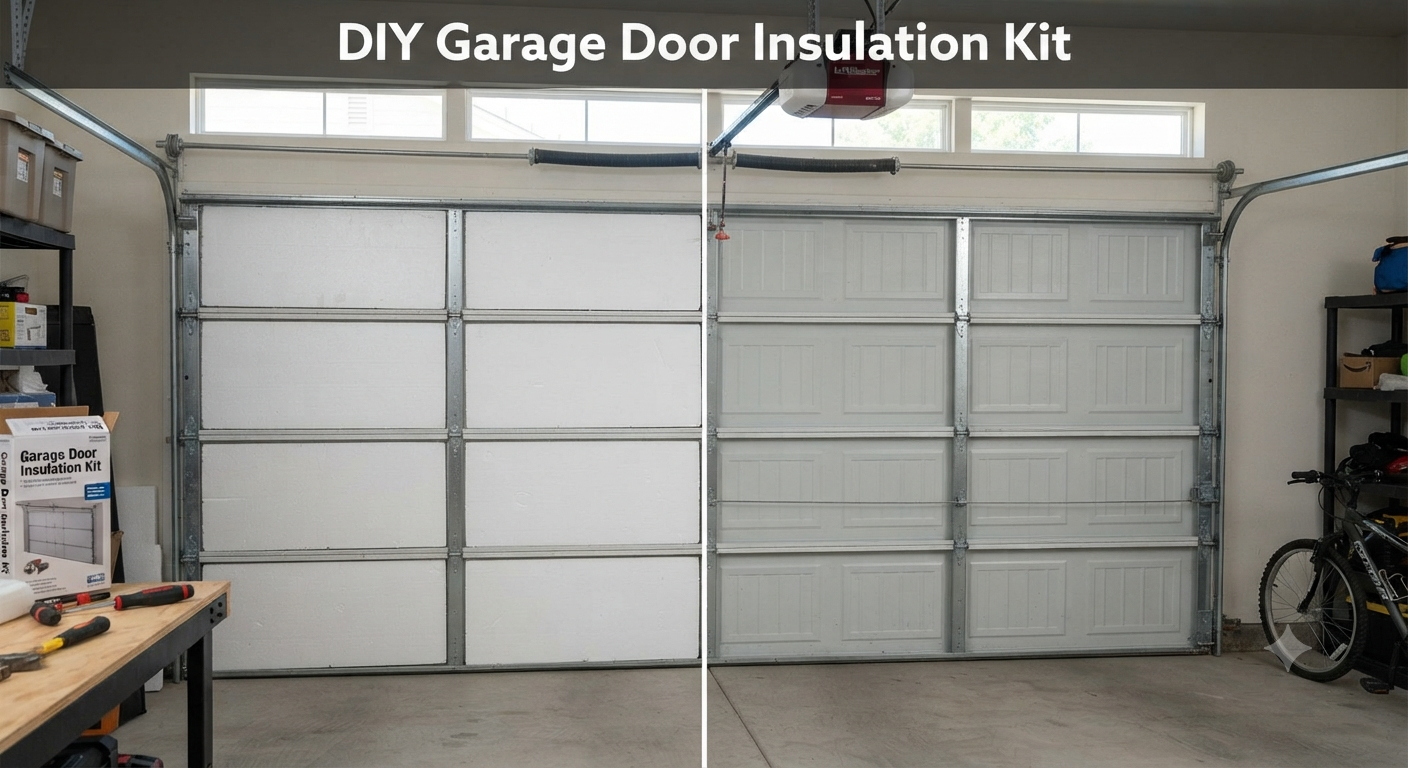
- Insulate the garage itself — walls, ceiling, all of it. This matters more than people think. A well-insulated garage with an average door usually beats a great door in a poorly insulated garage.
- Add tint or reflective film to existing clear panels if summer heat is your main headache.
Who Should Actually Get One?
Probably a good fit if:
- You live somewhere with mild weather most of the year
- You’re already pairing the door with solid garage insulation
- You use the garage as a bright workspace or gym
- Your home’s style leans modern or contemporary
- You’ve budgeted for a possible opener upgrade too
Maybe skip it if:
- Your winters or summers get extreme and you’re not upgrading insulation
- Privacy from the street or neighbors is a real priority for you
- You store stuff that fades easily in sunlight, like cars or wood furniture
- The extra cost over steel is a stretch financially
- You haven’t checked your HOA rules yet
Quick FAQs
Do glass garage doors work in cold places?
They can, but only with insulated double-pane glass and a well-sealed frame. Even then, expect a bit more heat loss than you’d get from an insulated steel door.
Are glass garage doors actually safe?
Mostly, yeah. Tempered glass breaks into small, dull pieces instead of sharp shards, kind of like a car windshield does. Still more breakable than steel though.
How much more do they cost than a regular steel door?
Noticeably more in most cases, glass and the framing it requires simply cost more to make and install. The exact gap depends on size, glass type, and your local market, so it’s worth getting a couple of quotes before you settle on a budget rather than relying on a single number.
Will this affect my energy bill?
It can, especially if your garage is attached to the house or gets heated and cooled. Depends a lot on your climate and how well-insulated the rest of the garage already is.
Can I upgrade the glass on a door I already have?
Often, yes. Some manufacturers sell replacement panels, so you don’t necessarily need a whole new door. Worth checking with your installer or the manufacturer directly.
Final Thoughts
At the end of the day, the pros and cons of glass garage doors come down to a pretty simple trade-off. You get a genuinely modern, bright look, but you’re giving up some insulation, privacy, and durability compared to steel or wood. If you’re in a mild climate and pair it with decent garage insulation, it can honestly work out great. But if you’re chasing the look without thinking through your climate or budget for the extras, you might end up with regrets, and a colder garage, a few years down the road.