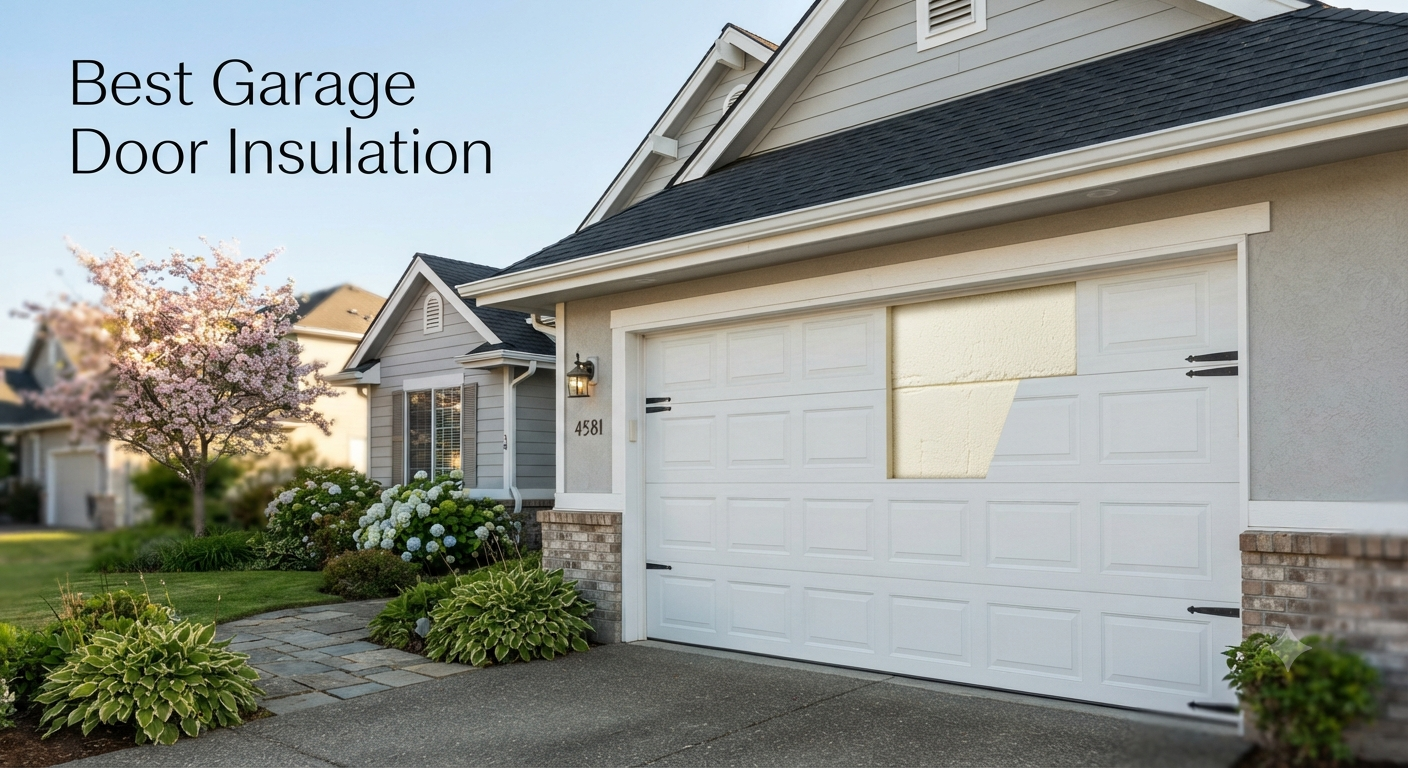
The right choice really depends on your garage, your local weather, and how you use the space. For most homeowners, rigid foam insulation kits made from polystyrene or polyurethane offer the best balance of energy savings, durability, and easy installation. If your garage gets a lot of direct sun, reflective insulation can also work well, while fiberglass is usually a better fit for colder regions.
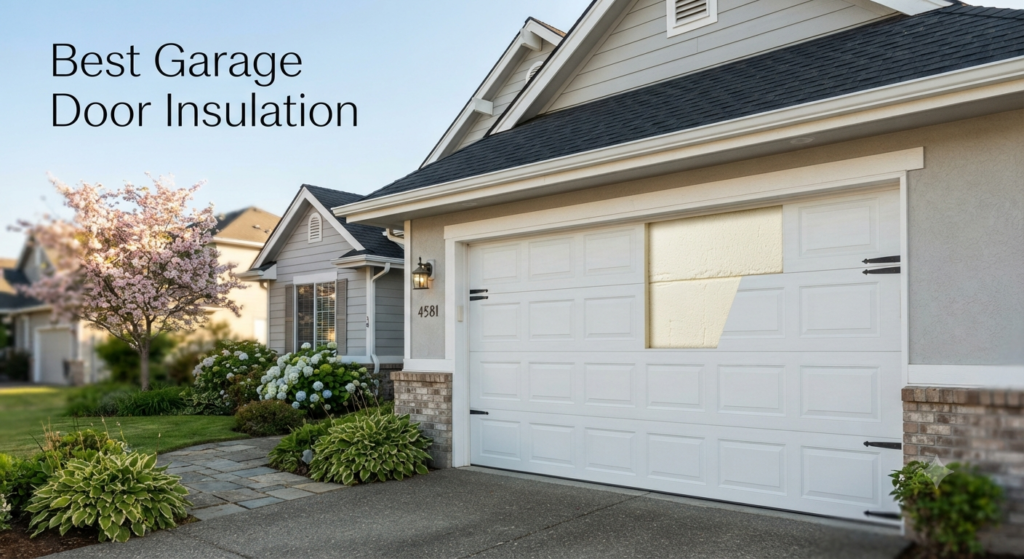
So, what is the best garage door insulation? There’s no one-size-fits-all answer. A garage used as a workshop, home gym, or part of your living space usually benefits from a higher R-value insulation kit. On the other hand, if you only park your car inside, a simple DIY insulation kit is often enough to make the garage more comfortable and reduce heat transfer without spending too much.
Best Garage Door Insulation Kits Compared
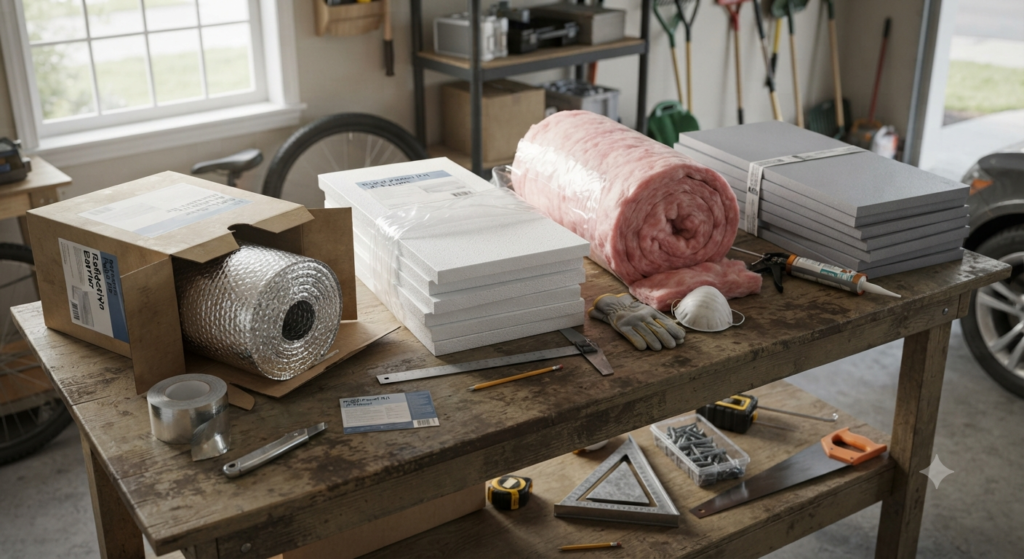
If you’re planning to insulate an existing garage door, a DIY kit is usually the easiest and most budget-friendly option. The best garage door insulation kit isn’t always the most expensive one. It should match your door type, local climate, and how often you actually use the garage. A kit that works great in a warm state might not be the right pick for freezing winters.
There are plenty of best garage door insulation kits on the market, but they generally fall into three main categories: rigid foam panels, reflective foil kits, and fiberglass batt kits. Each one has its own strengths, so choosing the right one is more important than simply buying the highest-rated product.
| Insulation Kit Type | Best For | Typical R-Value | DIY Difficulty | Main Advantage |
| Rigid Foam Panels (Polystyrene) | Most homeowners | R-4 to R-8 | Easy | Clean finish and solid insulation |
| Reflective Foil Kits | Hot climates | Varies | Very Easy | Reflects radiant heat and adds almost no weight |
| Fiberglass Batt Kits | Cold climates | R-8 and above | Moderate | Better thermal performance during winter |
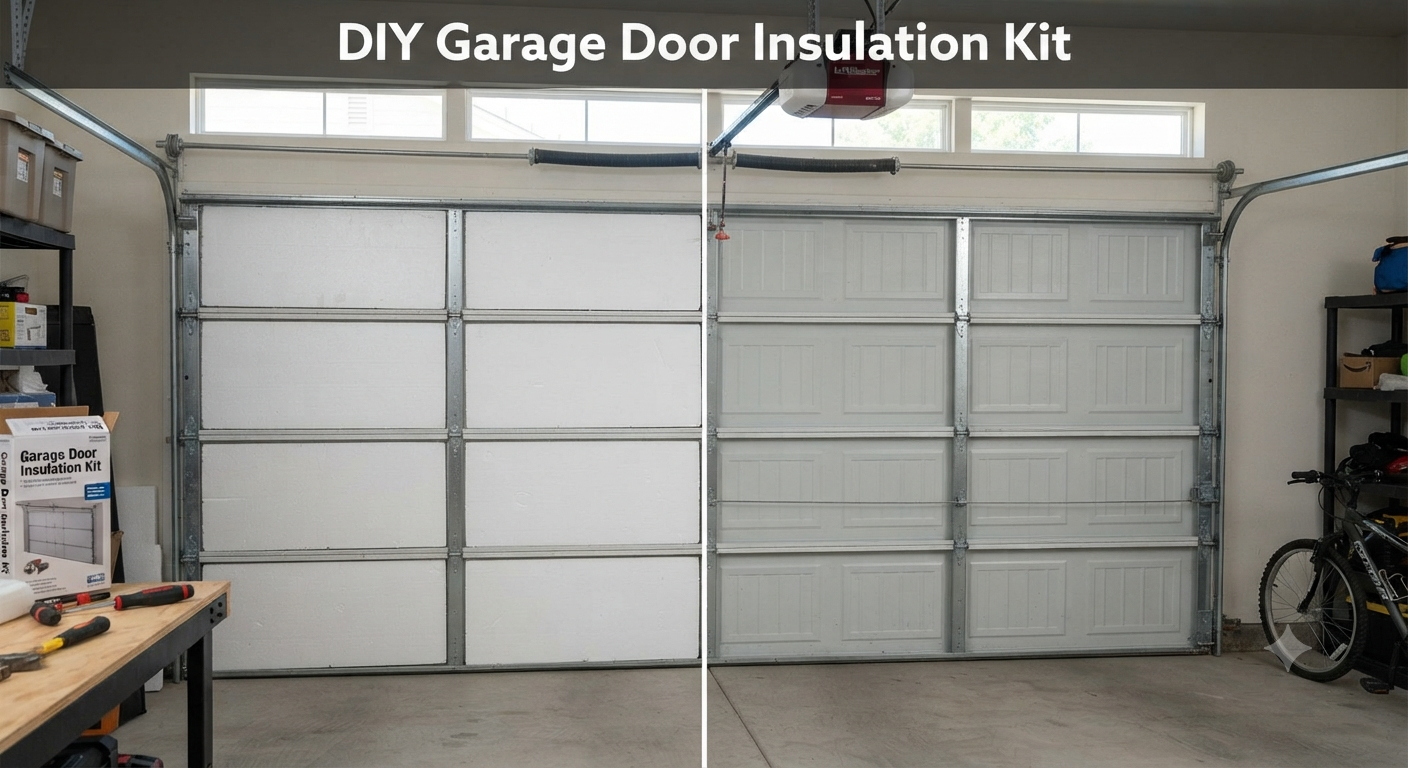
If you’re looking for the best DIY garage door insulation, rigid foam panel kits are hard to beat. They fit inside most steel garage door panels, don’t make a mess during installation, and instantly improve the look of the inside of the door. They also help reduce outside noise and make the garage feel more stable throughout the year.
For homeowners on a tighter budget, the best buy DIY garage door insulation is often a reflective foil kit. It costs less, installs quickly with basic tools, and works surprisingly well in garages that get direct afternoon sun. Just remember that reflective insulation performs best when there’s an air gap, so following the installation instructions really matters.
If you live in a region with long, cold winters, many people consider fiberglass to be one of the best DIY garage door insulation kits because of its higher R-value. It keeps heat inside more effectively than foil, although it does add a little more weight to the door and usually takes longer to install.
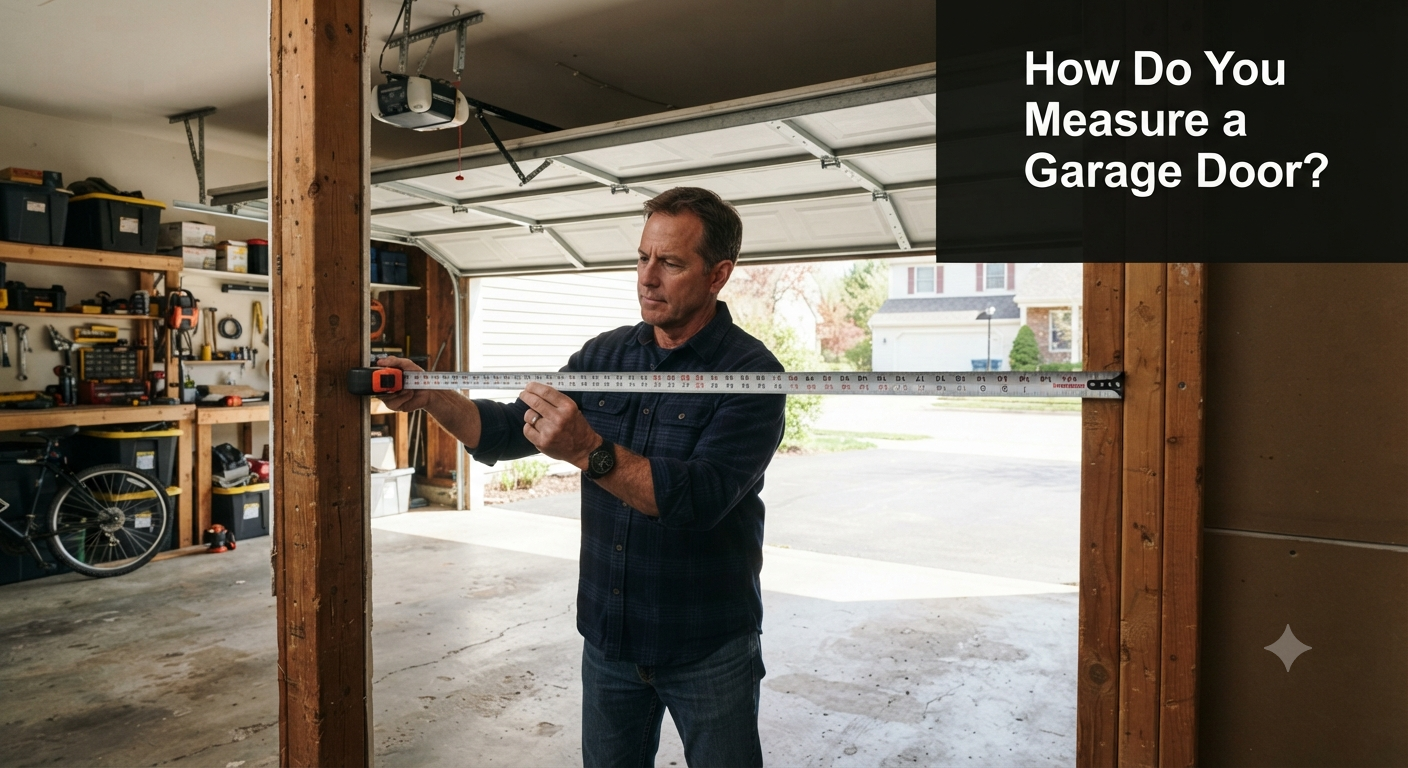
Quick tip: Before buying any insulation kit, measure your garage door carefully. Single-car and double-car doors need different kit sizes, and ordering the correct size will save you a lot of trimming and wasted material later.
Types of Garage Door Insulation
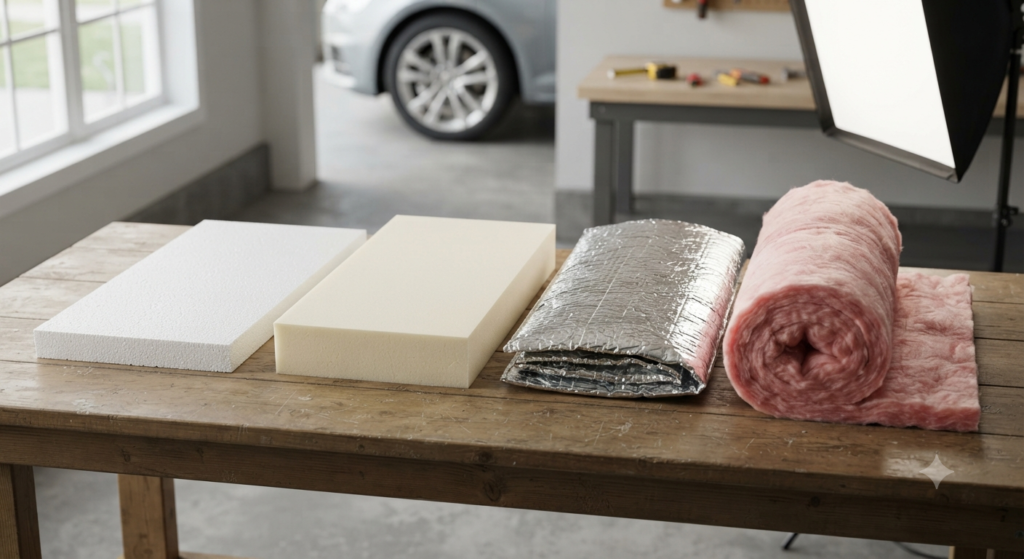
If you’re trying to pick the best insulation for garage doors, you’ll quickly notice there isn’t just one material to choose from. Each type works a little differently, and the right one depends on your climate, budget, and how you use your garage. Some are great for keeping winter cold out, while others are better at blocking summer heat.
A question people ask all the time is, which garage door insulation is best? The honest answer is that each material has its own strengths. Here’s a simple breakdown to help you decide.
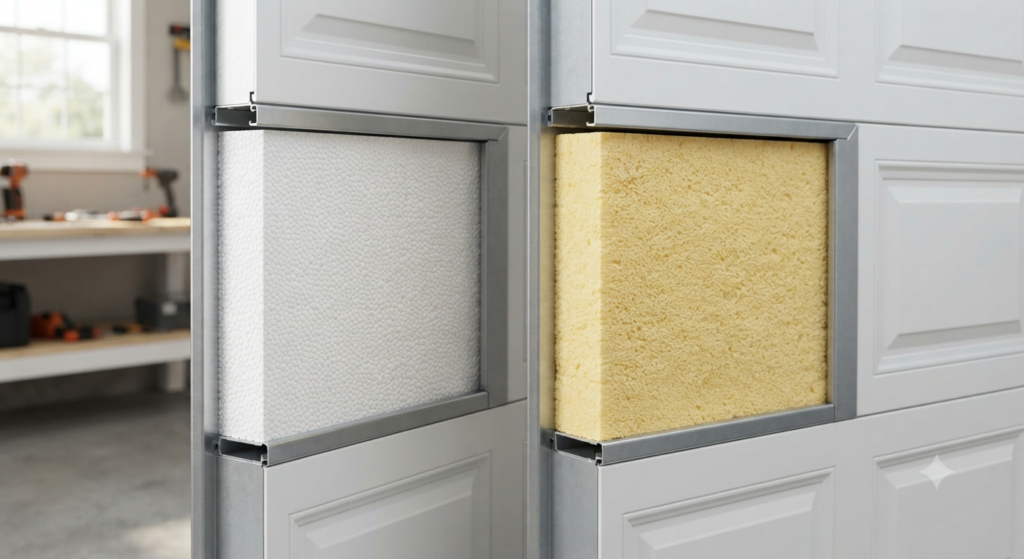
Polystyrene
Polystyrene is one of the most common choices and, for many homeowners, it’s the best insulation for a garage door if you want a good mix of price and performance. It comes as rigid foam panels that slide into most steel garage door sections, making installation pretty straightforward.
It doesn’t offer the highest R-value available, but it does a solid job of reducing heat loss, lowering outside noise, and giving the inside of the garage door a clean, finished look. If you’re after reliable insulation without spending too much, this is a smart option.
Polyurethane
If your goal is maximum energy efficiency, polyurethane is often considered the best insulation for garage door performance. Instead of using rigid panels, this foam expands to fill every small gap inside the door, creating a tighter thermal barrier.
Many insulated garage doors built at the factory use polyurethane because it provides higher R-values while also making the door stronger and quieter. It usually costs more than polystyrene, but the extra insulation can be worth it in very hot or very cold climates.
Reflective Foil
Reflective foil insulation works differently from foam. Rather than slowing heat transfer through thick material, it reflects radiant heat away from the garage. That’s why it’s a popular option in sunny regions where summer temperatures stay high.
It’s lightweight, easy to trim, and one of the simplest DIY upgrades you can install. While it isn’t the strongest choice for freezing winters, it can noticeably reduce heat buildup in garages that get direct sunlight for most of the day.
Fiberglass
Fiberglass has been used for home insulation for decades, and it can also work well for garage doors. It traps air inside dense fibers, helping slow down heat transfer during cold weather.
If you’re wondering which insulation is best for garage door use in colder regions, fiberglass is definitely worth considering. It usually offers a higher R-value than reflective foil, although it can be heavier and takes a bit more care during installation. Many fiberglass kits also come with a protective vinyl facing to keep the material clean and reduce irritation.
Polystyrene vs. Polyurethane: Which One Is Better?
A common question is which garage door insulation is best polystyrene or polyurethane. For most homeowners, polystyrene delivers the best value because it’s affordable, durable, and easy to install. If your garage is attached to your home, used every day, or located in an area with harsh temperatures, polyurethane is usually the better long-term investment thanks to its higher insulation value and stronger overall construction.
How to Choose the Right Insulation

Picking garage door insulation isn’t really about buying the most expensive kit. It’s more about matching the insulation to your garage, your weather, and how you actually use the space. What works great for someone in Arizona might not be the best choice for a homeowner dealing with long, freezing winters.
Based on Climate
Your local weather should be the first thing you think about.
If you live somewhere that stays hot most of the year, the best garage door insulation for hot climates is usually reflective foil or polyurethane. Reflective foil helps bounce radiant heat away from the garage, while polyurethane slows heat transfer and keeps indoor temperatures more stable.
For places with freezing winters, the best garage door insulation for cold weather is normally polyurethane or fiberglass. Both offer higher R-values, which means they do a better job of holding warm air inside and reducing heat loss.
If your area gets both hot summers and cold winters, rigid polystyrene panels are often a nice middle-ground. They perform well year-round without costing as much as premium polyurethane doors.
Based on Garage Use
Think about what your garage is actually used for.
If it’s only for parking your car or storing holiday decorations, you probably don’t need the highest R-value available. A basic insulation kit will usually do the job.
But if your garage doubles as a workshop, home gym, office, or laundry area, better insulation is worth spending a little extra on. A more stable temperature makes the space much more comfortable, and you’ll probably notice less outside noise too.
Based on Budget
A bigger budget doesn’t always mean you need a more expensive solution.
If you’re looking for the best cheap way to insulate a garage door, reflective foil kits and basic polystyrene panels give the most value for the money. They’re affordable, simple enough for most DIY projects, and can make a noticeable difference in comfort.
If you plan to stay in your home for years, spending more on higher-quality insulation can pay off through lower heating and cooling costs over time.
Based on Door Material
Not every insulation kit fits every garage door.
Steel and aluminum doors are usually the easiest to insulate because most foam panel kits are designed for them. If you’re shopping for the best after market garage door insulation, check that the kit matches your door’s panel size and design before buying.
Wood garage doors already provide some natural insulation, but they can still benefit from additional insulation if they’re properly supported. Just remember that heavier insulation adds weight, so after installation it’s a good idea to check that your garage door stays balanced and the opener still works smoothly.
Best Garage Door Insulation for Different Needs
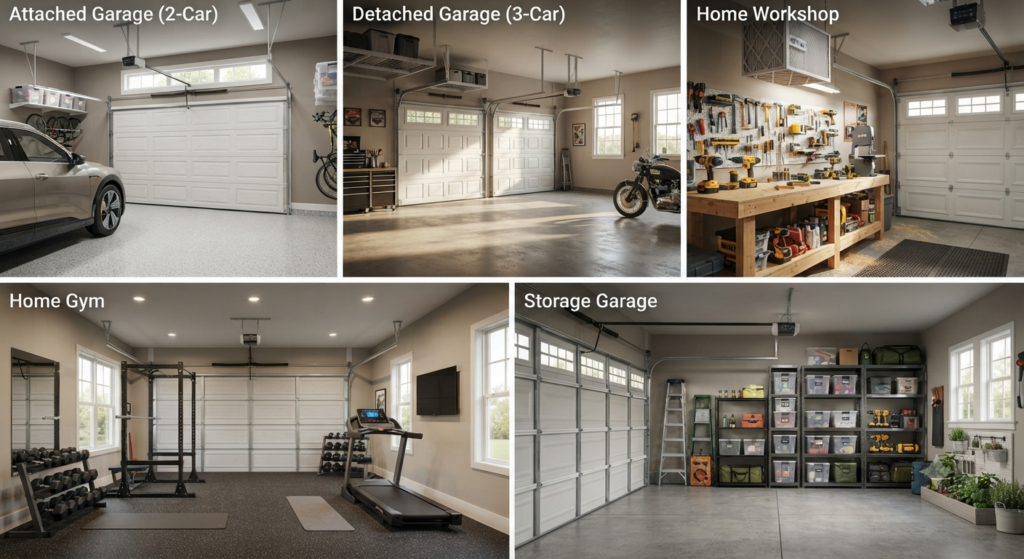
There isn’t one insulation option that’s perfect for everyone. The right choice depends on how you use your garage every day. A space connected to your home needs something different than a garage that’s only used for storage. That’s why choosing the Best Garage Door Insulation starts with your own needs, not just the highest R-value.
Attached Garage
If your garage shares a wall with your house, keeping heat from moving between the garage and your living space matters a lot.
For most homeowners, the best insulated garage door is one with polyurethane insulation. It offers a higher R-value, seals the door better, and helps keep indoor temperatures more stable throughout the year. It also cuts down on outside noise, which is a nice bonus if there’s a bedroom or living room beside the garage.
Detached Garage
A detached garage usually doesn’t need the highest insulation level unless you spend a lot of time inside it.
Polystyrene panels or reflective foil are often enough to reduce temperature swings and protect tools, gardening supplies, and other stored items. If you’re mostly parking vehicles, these options give solid performance without spending more than you need.
If someone asks me what is the best insulated garage door for a detached garage, I’d say it really depends on how often the space is used. For simple storage, moderate insulation is usually more than enough.
Workshop
A workshop is different because you’re likely spending hours inside.
Cold floors, hot metal doors, and constant temperature changes can make the space uncomfortable pretty fast. Polyurethane-insulated doors are usually the better investment here because they hold heat well in winter and help block summer heat too.
They also make the garage quieter, which is handy if you’re using power tools or noisy equipment.
Home Gym
Nobody enjoys working out in a garage that feels like an oven in July or a freezer in January.
A well-insulated garage door helps keep temperatures much more comfortable, especially when paired with good weatherstripping around the edges. If you’re planning a home gym, factory-built insulated doors generally perform better than basic DIY kits.
In many cases, what are the best insulated garage doors for a gym setup are double-layer or triple-layer steel doors filled with polyurethane foam because they offer better comfort and sound reduction.
Storage Garage
If your garage is mainly used for storage, you probably don’t need premium insulation.
A simple foam board or reflective insulation kit can help protect paint, holiday decorations, batteries, tools, and other items from extreme temperatures. It won’t completely control the climate, but it does make the garage much more stable throughout the year without adding a big cost.
Best Way to Insulate a Garage Door

If you’re wondering about the best way to insulate a garage door, the answer really depends on your door, your budget, and how you use the garage. For most people, a good DIY insulation kit works just fine. But if your door is old, damaged, or used every day, getting it done by a pro can save time and avoid problems later.
DIY Installation
The best way to insulate garage door panels yourself is by using a kit that matches your door style. Most steel doors work well with foam boards or reflective insulation, while some kits come with pre-cut panels that slide into place.
Before you start:
- Clean the inside of the door first.
- Measure every panel carefully.
- Cut insulation a little smaller for an easy fit.
- Replace worn weatherstripping if it’s cracked.
- Check the bottom seal so cold or hot air can’t sneak in.
If someone asks how to best insulate a garage door, I’d say don’t focus only on the panels. Sealing the edges and the bottom usually makes a bigger difference than people expect.
Professional Installation
Hiring a garage door technician is a smart move if your door is oversized, already insulated, or needs spring adjustments.
A professional can:
- Install insulation correctly without gaps.
- Check whether the added weight affects door balance.
- Replace damaged weather seals.
- Recommend whether insulating or replacing the door makes more sense.
For older doors, the best way to insulate garage doors isn’t always adding a kit. Sometimes upgrading to a factory-insulated model ends up being the better long-term investment.
Understanding R-Value (Simple Guide)
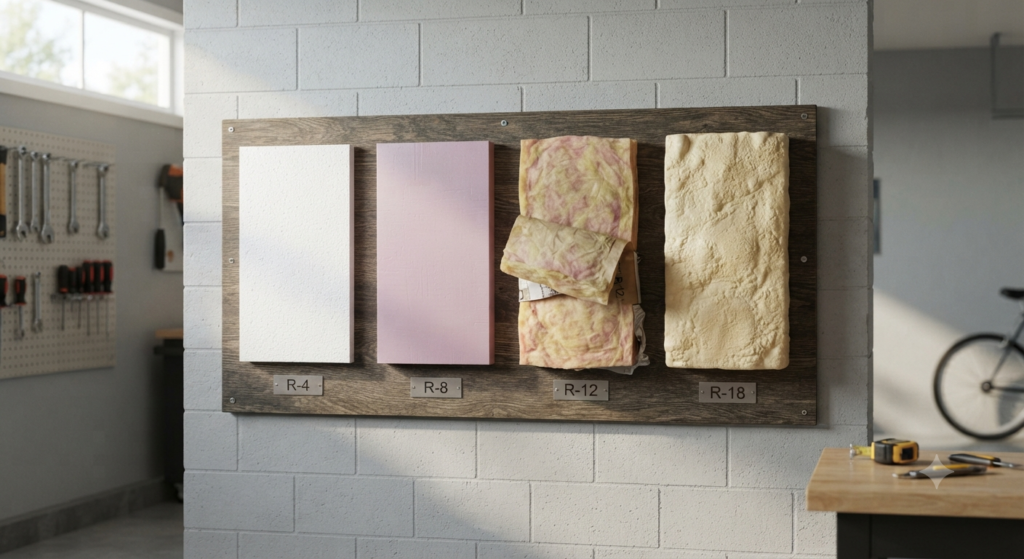
R-value simply tells you how well insulation slows down heat transfer. The higher the number, the better it keeps outside temperatures from affecting your garage.
Here’s a quick guide:
| R-Value | Best For |
| R-4 to R-6 | Detached garages and mild climates |
| R-8 to R-10 | Attached garages and everyday use |
| R-12 to R-18 | Very hot or very cold climates, workshops, and garages with living space above |
A lot of homeowners ask, what is the best insulated R-value for garage doors? There isn’t one perfect number for everyone.
- If you live in a mild area, around R-6 is usually enough.
- For attached garages, R-8 to R-10 offers a nice balance between cost and performance.
- In places with harsh winters or very hot summers, R-12 or higher is worth considering.
Common Mistakes to Avoid
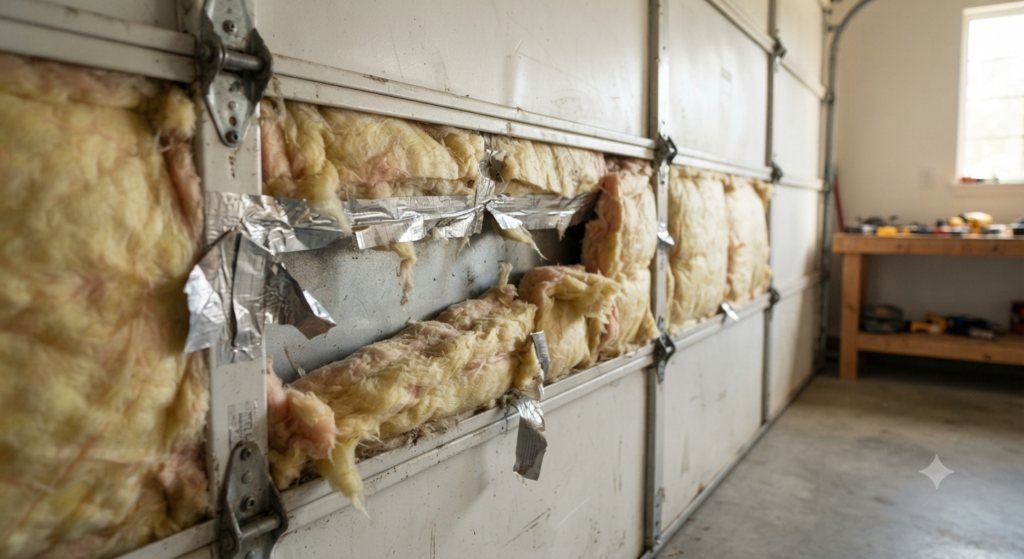
Even a good insulation kit won’t do much if it’s installed the wrong way. I’ve seen people spend money on materials and still end up with a garage that’s just as hot or cold as before. Most of the time, the problem isn’t the insulation itself. It’s the installation.
Here are a few mistakes worth avoiding:
- Ignoring gaps around the door. If air keeps leaking from the sides or bottom, even the garage door insulation best kit won’t perform the way you expect. Replace worn weatherstripping and bottom seals first.
- Using the wrong adhesive or tape. A lot of people ask what tape is best for mounting insulation on garage doors. In most cases, heavy-duty double-sided tape or a high-temperature construction adhesive made for garage doors works much better than regular household tape.
- Choosing insulation based only on price. The cheapest option isn’t always the best value. Pick a material that matches your local weather and how you actually use the garage.
- Adding too much weight. Thick insulation can make an older garage door heavier. After installation, check that the door still opens and closes smoothly. If it feels unbalanced, have the spring tension checked by a professional.
- Skipping measurements. Measure every panel before cutting. Even a small mistake can leave gaps that reduce insulation performance.
Is It Better to Insulate or Replace Your Garage Door?
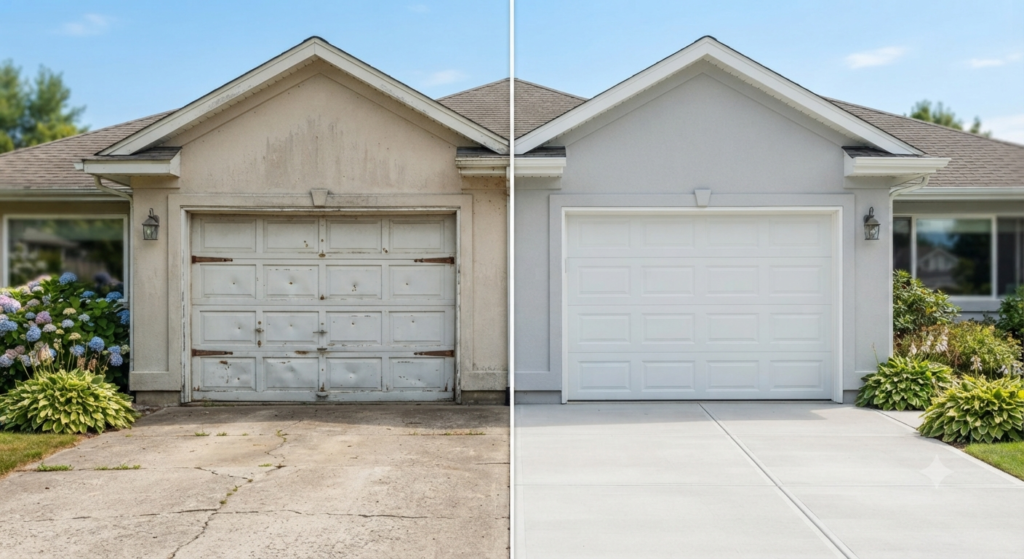
If your current garage door is in good shape, adding insulation is usually the smarter and more affordable choice. A quality insulation kit can improve comfort, reduce outside noise, and help lower energy loss without the cost of a brand-new door.
On the other hand, if your door is old, badly damaged, or has dents, rust, or broken panels, replacing it may be the better long-term investment. Modern insulated doors are built with stronger materials and better thermal performance right from the factory.
Many homeowners also ask who makes the best insulated garage door. Trusted brands such as Clopay, Amarr, Wayne Dalton, and Raynor all make high-quality insulated models. The right choice depends more on the door’s construction, insulation type, and R-value than the brand name alone.
If you’re wondering what is the best quality insulated garage door, look for a double- or triple-layer steel door with polyurethane insulation, durable weather seals, and an R-value that matches your climate. It costs more upfront, but it usually lasts longer, runs quieter, and does a much better job of controlling temperature than an older single-layer door.
Conclusion
Picking the Best Garage Door Insulation really comes down to what you need. If your garage gets freezing in winter, a higher R-value is usually worth it. If heat is the bigger problem, reflective insulation can make a noticeable difference. And if you’re trying to save money, a good DIY insulation kit can still improve comfort without costing a lot.
There isn’t one perfect choice for every home. Think about your local weather, how often you use the garage, and what your budget looks like. A little planning now can help you keep the space more comfortable, lower energy waste, and even make your garage quieter. In most cases, the right insulation pays for itself over time.